Cosmetic dermatology procedures treat conditions that affect the appearance of the skin, face, and body. These procedures address a range of aesthetic concerns, from wrinkles to uneven skin texture. Some options are minimally invasive, while others involve surgery. Advances in technology continue to expand the choices available to people who want to refine their appearance or restore features affected by time or other factors. Here’s information on modern surgical and cosmetic dermatology treatments and their benefits:
Facial Injectables
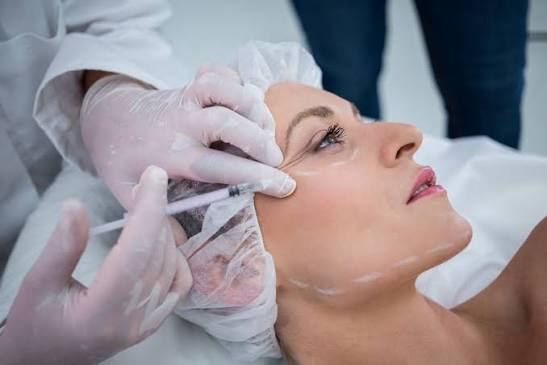
When people think about surgical and cosmetic dermatology treatments, facial injectables may be the first to come to mind. One type of injectable treatment is dermal fillers, which are substances injected to add volume beneath the skin. Many fillers are made from hyaluronic acid, a compound that occurs naturally in the body. Providers use fillers to smooth wrinkles, plump thin lips, and restore fullness to areas such as the cheeks and under the eyes. The results are temporary, and the effects gradually fade as the body absorbs the material over time.
Botox is a purified form of botulinum toxin injected into specific facial muscles, temporarily limiting movement in that area. This reduces the appearance of dynamic wrinkles, such as frown lines and crow’s feet, that form when facial muscles contract. Botox effects are also temporary, so people often schedule follow-up sessions to maintain their results.
Hair Loss Options
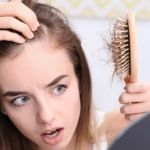
Hair thinning affects many adults, and several treatments aim to slow shedding or support regrowth. Finasteride is an oral prescription medication used to address certain types of hair loss in men. It works by affecting hormone levels linked to follicle shrinkage. A healthcare provider evaluates each patient before prescribing it, and ongoing use is generally required to sustain results. Here are some other common approaches within cosmetic dermatology:
PRP Therapy
Platelet-rich plasma (PRP) therapy uses a sample of the patient’s own blood, which is processed to concentrate its platelets. The concentrated plasma is then injected into the scalp. This approach supports hair follicles in areas where thinning has occurred, helping to strengthen follicles and promote a healthier scalp environment. Treatment typically involves multiple sessions spaced weeks apart.
Low-level Laser Therapy
Low-level laser therapy (LLLT) uses specific wavelengths of light applied to the scalp to promote gradual hair growth. These devices come in several forms, including caps, combs, and helmets. This treatment is noninvasive, so many patients use it long-term. Providers may recommend laser therapy alone or alongside other hair loss treatments, depending on individual health factors.
Cosmetic Surgeries
Cosmetic surgery involves procedures that reshape or alter features to change someone’s aesthetic appearance. Older adults often seek cosmetic surgery to address age-related changes, such as sagging skin, deep folds, and shifts in facial volume. Some pursue these procedures to improve their appearance, and others do so after significant weight changes. Recovery times vary by procedure, and a surgeon reviews expectations during a consultation. Modern techniques have reduced scarring and shortened recovery periods for many surgical options.
Learn About Surgical and Cosmetic Dermatology
Surgical and cosmetic dermatology continues to evolve, offering people a wider selection of treatments. Whether your goal is to smooth wrinkles, address hair thinning, or reshape a feature, each option has its own process and timeline. To learn more about your cosmetic treatment options, contact a cosmetic dermatology clinic near you. A specialist can assess your situation, explain your options, and describe what each treatment involves. Understanding how these procedures work can help you make informed decisions that align with your personal goals.