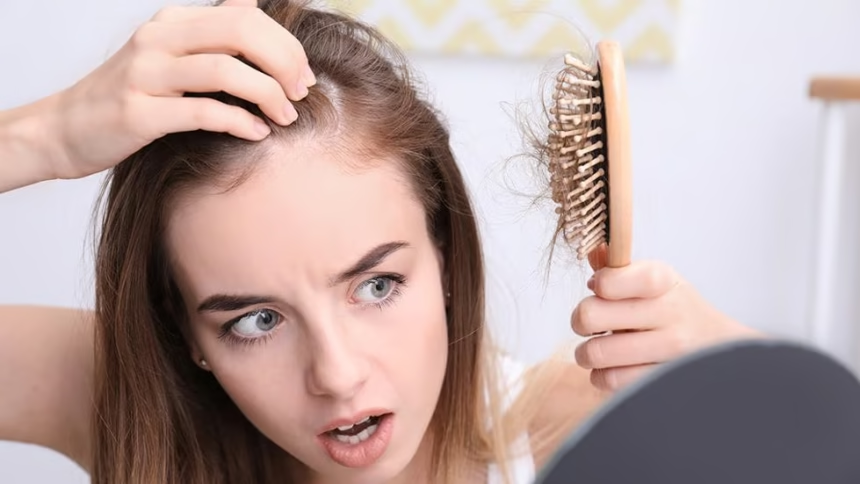
Hair loss affects many people, and it can appear at nearly any stage of adult life. Thinning hair, a receding hairline, and widening part lines are all common concerns. When conventional options aren’t the appropriate fit, a dermatologist may recommend platelet-rich plasma (PRP) to treat hair loss. Before you begin, it helps to know which questions to ask your provider so you stay informed and prepared. Here are some key questions to ask your cosmetic dermatologist to understand the benefits and treatment timeline of PRP for hair loss:
How Is PRP Safe?
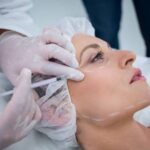
During a PRP for hair loss session, a provider draws a small blood sample and places it in a centrifuge. The machine separates the platelet-rich plasma from other blood components. The provider then injects that concentrated plasma solution into the areas of the scalp where hair loss is present. Because PRP is derived from your own body, the risk of an allergic reaction or rejection is very low.
You will experience some minor discomfort at the injection sites, but your provider may apply a numbing agent to ease it. Most sessions take under an hour, so many people return to their usual activities the same day. Ask your provider how they prepare the plasma and how many sessions they would recommend for your situation. To remember what you want to address, make a short list that includes your top questions. Bring it to your appointment to make sure you cover everything.
What Are the Benefits?
Platelet-rich plasma therapy has been used in many regenerative medicine treatments, but researchers are now studying its role in supporting the scalp environment. To understand the potential benefits, it helps to look at what the plasma contains. The concentrated PRP solution is effective because it contains a higher amount of growth factors and cytokines than regular blood.
Growth factors are proteins that support cell signaling and tissue repair. Cytokines are small proteins that help cells communicate with one another. Both are naturally present in your blood, and the centrifugation process increases their presence in the injected plasma. Ask your provider to explain the concentration level they achieve, since preparation methods vary between clinics.
Growth factors and cytokines are thought to support the follicular and general scalp environment. When you ask about the benefits of PRP, request information specific to your pattern of hair loss, and ask what realistic expectations look like for your situation. A cosmetic dermatologist will review your scalp and describe what the treatment can address in your case. They can also recommend complementary treatment options, depending on your goals.
How Long Do Results Take?
Timing is one of the most common questions, and the answer depends on the individual. PRP is generally administered across several sessions spaced weeks apart. Dermatologists often schedule an initial series, followed by periodic maintenance appointments. Results aren’t immediate, and changes can take months to fully appear. To help you prepare for your treatments, ask your provider for a proposed schedule and a timeline for follow-up assessments. You may want to ask how they measure progress, whether through photographs, scalp analysis, or other methods
Learn About PRP for Hair Loss
Choosing a hair loss treatment is a personal decision, and asking questions puts you in a more informed position. Talk with a cosmetic dermatologist about how they prepare the plasma, what the injection process involves, and why PRP is a low-risk option. Discuss the role of growth factors and cytokines, and ask what the treatment can address for your specific pattern of hair loss. Bring your questions to your consultation and take notes during the discussion. With clear information from a trusted provider, you can make an informed choice about your care.