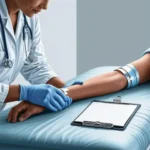


Diabetic wound care addresses slow-healing sores caused by high blood sugar, nerve damage, and poor circulation. Early intervention is beneficial. It lowers the risk of infection, amputation, and prolonged healing, which supports more effective recovery outcomes. Wound care specialists recommend prompt evaluation of every diabetic wound, no matter how minor; complications can develop quickly when underlying conditions remain unmanaged. Here is more information on the benefits of early medical intervention:
What Is Diabetic Wound Care?
Diabetic wound care is a specialized branch of medical treatment focused on managing skin injuries in people with diabetes. High blood sugar can damage nerves and blood vessels over time, reducing sensation and slowing circulation to the extremities, which means minor cuts, blisters, or pressure sores can go unnoticed and develop into chronic wounds. Left untreated, these wounds carry a higher risk of infection and tissue damage, and in severe cases, amputation may be necessary.
Foot ulcers are common diabetic wounds. Reduced sensation in the feet makes injuries easy to miss, and a small pebble in a shoe or a blister from tight footwear can go undetected for days. Because diabetes changes how the body responds to injury, wound care specialists treat these wounds with ongoing monitoring. This helps identify and address complications as early as possible.
What Does It Involve?
Diabetic wound care involves several coordinated steps designed to clean, protect, and monitor the affected area. A specialist begins with a thorough assessment of the wound’s size, depth, and signs of infection; debridement may follow to remove dead or damaged tissue. Specialized dressings are then applied to maintain a moist healing environment. The treatment plan may also include blood sugar management and pressure-offloading measures, such as custom footwear, because these factors affect the body’s ability to heal.
Regular follow-up visits allow the care team to track healing progress, and they will adjust the approach as needed. Some patients benefit from advanced therapies, including negative pressure wound therapy or skin grafts, when standard treatment does not produce results within an expected timeframe. Diagnostic imaging or lab work may also be used to check for underlying infection or compromised blood flow. Each treatment plan is built around the individual patient’s wound type, health history, and daily habits.
Patient education is central to wound care. Specialists may provide guidance on daily foot inspections, proper hygiene practices, and blood sugar control, since these habits support wound healing. Patients who identify early warning signs, such as redness, swelling, or unusual discharge, are better positioned to seek timely intervention; this collaborative approach between the care team and the patient is key to achieving consistent, long-term outcomes.
How Is Early Intervention Beneficial?
Early intervention in wound care offers several advantages over waiting until symptoms worsen, including:
- Reduced infection risk: Prompt treatment helps limit the likelihood of infection spreading to deeper tissue or bone.
- Faster healing: Patients who seek care early may heal faster.
- Minimal disruption to daily life: Early care may reduce the time patients spend managing pain, dressing changes, and mobility restrictions.
Acting quickly at the first sign of a diabetic wound protects both the wound site and the patient’s long-term health.
Seek Medical Intervention Today
Diabetic wounds can heal better with professional guidance. When managing diabetes, individuals should inspect their skin daily and contact a specialist if they notice a problem. A specialist will build a treatment plan that addresses the wound directly, and they can manage the underlying factors that slow healing, from blood sugar levels to circulation.