

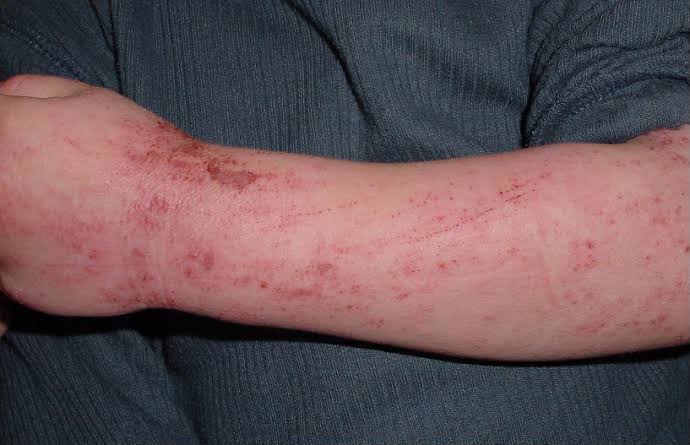
Eczema causes dry, itchy skin, and it affects people of all ages. A dermatologist reviews your symptoms, then builds a treatment plan around your skin type. When you arrive prepared with questions, you get more from each visit. Here are some questions worth asking about eczema treatment:
How Do I Stay Moisturized?
Moisturizing is the foundation of eczema treatment. Since dry skin triggers flare-ups, daily hydration keeps your barrier working well. Ask your dermatologist which products suit your skin, and request specific brand names.
Timing matters as much as the product itself. Apply moisturizer within three minutes of bathing, and use it twice daily. Since thick creams typically hold moisture longer than lotions, your provider may steer you toward ointments.
Can I Prevent Skin Damage?
Scratching damages the skin, and it opens the door to infection. Ask your dermatologist how to protect irritated areas, and request guidance on healing scratches. For some people, short nails and cool compresses ease the urge to scratch. Keep this checklist in mind during your visit:
- Ask about signs of skin infection
- Request advice on gentle cleansers
- Discuss fabrics that reduce irritation
Your provider explains what warning signs need quick attention. When skin cracks or weeps, you contact the clinic promptly. As early care limits damage, you learn what to watch for.
Do Topical Treatments Work?
Topical treatments target inflammation directly on the skin. When applied correctly, these products calm redness and reduce itching. Your dermatologist may prescribe steroid creams, and they might suggest non-steroid options too.
Ask how long to use each one. Overuse of steroids thins the skin, so your provider will set a clear schedule. Since every skin type responds differently, your plan reflects your personal history.
Topical treatments work well when combined with a routine that supports your skin’s overall health. While some may notice results quickly, others may need adjustments over time based on how their skin responds, so communication with your provider is key. They are typically easy to apply, but results vary.
How Do I Avoid Flare-ups?
Flare-ups often follow specific triggers. Ask your dermatologist how to spot yours, and keep a simple symptom journal. Since triggers vary widely, tracking helps you and your provider find patterns. Typical eczema triggers include:
- Soaps and detergents
- Sweat and heat
- Lack of sleep
- Fabrics like wool
Review this list with your provider, then adjust your routine. Small changes reduce how often flare-ups return. When you know your triggers, you plan your days effectively.
Dry air during colder months may aggravate eczema, making a humidifier a worthwhile investment for your home. Stick to wearing soft, breathable fabrics like cotton, and avoid scratching itchy areas to prevent further irritation. While some triggers are easy to identify, others may take longer to uncover, requiring consistent communication with your dermatologist.
Find Eczema Treatment Near You
Managing eczema takes a steady routine and expert guidance, so ask your dermatologist about moisturizing, topical care, and trigger control. Since your skin needs a personalized plan, professional support makes each step clearer. Bring your questions to your next appointment, and write down the answers. Book a consultation today to start your personalized eczema treatment plan.