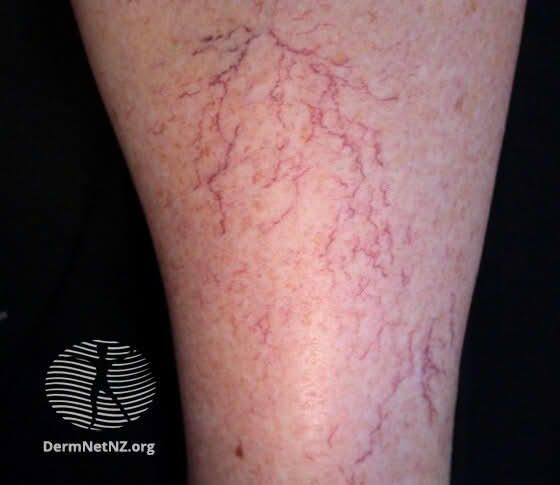
Spider veins are small, thin blood vessels visible just beneath the skin’s surface. They appear red, blue, or purple, and they form web-like or branching patterns, typically on the face or legs. Here’s more information about these veins and how to treat them:
Recognizing Spider Veins
The medical term for spider veins is telangiectasia. Unlike varicose veins, which are large and raised, spider veins sit flat against the skin. They often form in clusters, and they may appear on the thighs, calves, ankles, and face, particularly around the nose and cheeks. These veins differ from varicose veins in both size and structure, though both involve visible blood vessels beneath the skin. Identifying the type of vein visible on the skin is a helpful first step before pursuing any treatment.
Identifying Key Contributing Factors
Spider veins may develop from a combination of factors. Genetics plays a fundamental role; if close family members developed these veins, you’re more likely to develop them as well, since inherited traits influence the structure of vein walls and valves. Hormonal shifts also contribute to spider vein development. Estrogen and progesterone may affect vein walls, which is why these veins sometimes appear during hormonal transitions. These veins have also been linked to:
- Smoking or a history of smoking
- Pregnancy, due to increased blood volume and pressure
- Hormone-based medications, including birth control and hormone replacement therapy
Sun exposure is another contributing factor, particularly on the face; prolonged UV exposure may damage small blood vessels near the skin’s surface. Additional risk factors include age, body weight, and prolonged periods of standing or sitting. These factors can increase pressure on leg veins and affect circulation.
Exploring Available Treatment Options
Several established treatment options address spider veins, and the right approach depends on the location and extent of the visible veins. A licensed healthcare provider can assess each situation individually and outline the most appropriate path forward. Sclerotherapy is one procedure used for these veins when they appear on the legs. During this treatment, a provider injects a solution directly into the targeted vein, which irritates the vessel lining and causes it to close. The vein gradually fades over the following weeks; multiple sessions may be needed.
Endovenous laser treatment (EVLT) offers a minimally invasive approach for treating varicose veins. During the procedure, a thin laser fiber is inserted directly into the affected vein. Focused laser energy then generates heat that causes the vein to collapse and seal closed. Over time, the body naturally reroutes blood flow through healthier veins, and it absorbs the treated vessel. EVLT may treat larger, problematic veins.
Alongside these procedures, certain daily habits support vein health. Changing positions regularly during long periods of standing or sitting, staying physically active, elevating your legs when resting, and applying sunscreen to sun-exposed areas are helpful supportive measures. These habits do not remove existing spider veins, but they may help slow further development.
Find a Nearby Vein Clinic
Spider veins are flat, visible blood vessels shaped by genetics, hormonal shifts, sun exposure, and lifestyle factors. Sclerotherapy and EVLT are two available treatment procedures, while supportive habits address contributing risk factors. Compression stockings may also be sufficient to manage certain cases. Each person’s situation is unique, and treatment outcomes vary accordingly. If these veins concern you, schedule a consultation with a qualified healthcare provider to discuss which options align with your specific needs.