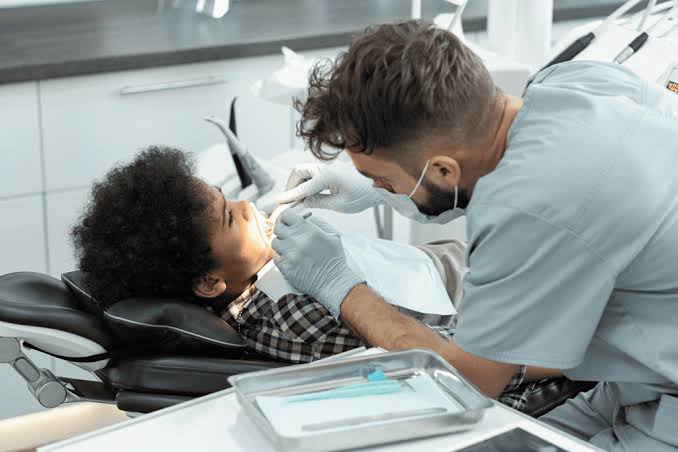
Pediatric dentistry addresses the oral health needs of infants, children, and teenagers. Starting dental visits early lets dentists monitor tooth development, and they can catch problems early. Building proper dental habits helps reduce cavities later in life. Early intervention also helps prevent complications that become harder to treat as children grow. Here is more information on this field of dentistry and the benefits of starting dental care early:
What Is Pediatric Dentistry?
Pediatric dentistry is a specialized branch of dentistry that addresses children’s oral health from infancy through adolescence. Pediatric dentists may focus on child growth patterns and the unique needs of developing teeth. Because this specialization is comprehensive, pediatric dentists can manage everything from primary tooth eruption to orthodontic treatment. Unlike general dentistry, pediatric dentistry accounts for the fact that children’s mouths change rapidly, and treatment plans adjust as children grow. A toddler’s dental needs differ from those of a ten-year-old.
Who Does It Help?
Pediatric dentistry serves children from the appearance of their first tooth through the teenage years. Schedule a first visit by age one or after the first tooth erupts; this timeline applies across most cases. Although the general recommendation is consistent, children with specific risk factors may benefit from earlier monitoring because early intervention helps reduce long-term complications.
Children with developmental delays or chronic health conditions may benefit from pediatric-specific treatment. Pediatric dentists adapt their approach for these patients, and they may offer accommodations. Since these children have distinct clinical needs, parents should prioritize pediatric dentistry.
What Are the Available Services?
Pediatric dental offices offer a range of services tailored to different stages of child development. These may include:
- Preventive care, such as routine cleanings, sealants, and X-rays to monitor jaw and tooth growth
- Restorative treatment, including fillings and guidance on habits such as thumb-sucking that may affect dental alignment
- Educational support on brushing techniques, diet, and injury prevention
This combination of preventive, restorative, and educational services distinguishes pediatric dentistry from standard adult dental care.
How Is Early Intervention Beneficial?
Early dental visits let dentists monitor growth patterns, and they can detect irregularities before they become a problem. When a dentist examines a toddler’s mouth, they can identify spacing issues, early decay, or bite misalignment before a parent notices them. Early intervention typically requires less invasive treatment. Addressing concerns promptly helps reduce the likelihood of more complex procedures later.
Regular dental visits from a young age support the development of proper oral hygiene habits, and this consistency affects long-term oral health outcomes. Dentists may guide parents on effective brushing and flossing techniques, appropriate dietary choices, and the value of routine care, which together form the foundation of a structured oral hygiene approach. Because children learn these practices early, they may be more likely to maintain them into adulthood. Consistent guidance from a dental professional reinforces these habits at each stage of development. Dentists monitor progress and adjust recommendations as a child’s dental needs evolve.
Schedule an Appointment Now
Pediatric dentistry gives children the specialized attention their developing teeth and jaws require, from infancy through the teenage years. Starting care early helps dentists catch issues before they escalate, and it sets the foundation for lifelong oral health habits. Waiting until a problem appears can lead to more complicated treatment later. If you have not yet scheduled your child’s first dental visit, contact a local pediatric dental office today.