A custom orthotics clinic diagnoses foot alignment issues through gait analysis and physical examination, and a podiatrist designs inserts tailored to a patient’s foot structure. These clinics address conditions like overpronation, flat feet, and uneven weight distribution. Because over-the-counter insoles are not tailored to individual foot structures, they offer less precise correction than custom orthotics. Here is more information on what these clinics do, the services they provide, and the benefits patients gain from visiting one:
What Is a Custom Orthotics Clinic?
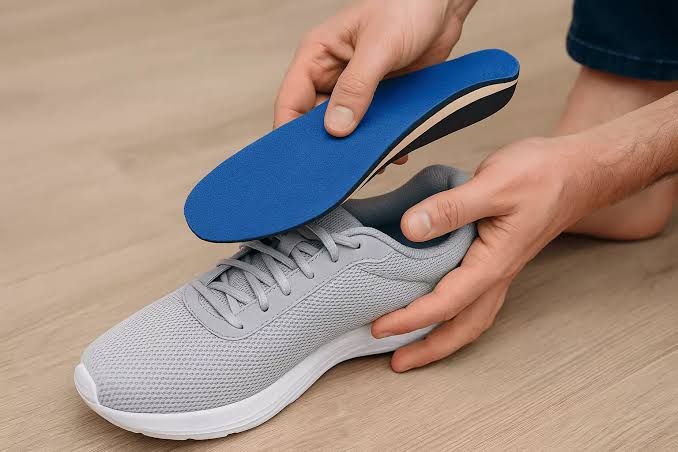
A custom orthotics clinic is a specialized practice that designs and fits orthotic devices based on an individual’s foot shape, gait, and specific alignment needs. Unlike generic shoe inserts sold at retail stores, custom orthotics are molded or scanned to match the exact contours of a patient’s feet, which enables a precise fit that addresses structural concerns. Podiatrists typically run these clinics, and their designs are guided by biomechanical assessments.
What Services Do They Offer?
These clinics provide a range of services designed to assess, correct, and support foot-related structural issues. Initial visits typically include a physical examination, a medical history review, and sometimes imaging to evaluate bone structure and joint alignment. Common services offered at these clinics include:
- Gait analysis and biomechanical assessments to identify irregular pressure points and movement patterns
- Custom-molded orthotic fabrication and fitting, informed by digital scans
- Material selection based on the patient’s activity level and condition
- Follow-up adjustments to accommodate changes in foot shape over time
These services allow clinicians to address the underlying structural cause of discomfort, not just the symptoms.
What Does Foot Alignment Involve?
Foot alignment refers to how the bones, joints, and soft tissue of the foot and ankle are positioned relative to one another during standing and movement. When alignment is correct, body weight distributes evenly across the foot, and unnecessary stress on specific areas is reduced. Misalignment concentrates pressure unevenly. If misalignment is left unaddressed, it can lead to pain, inflammation, or long-term joint damage.
Several factors influence alignment; arch height, ankle stability, and the angle at which the foot strikes the ground during walking all play a role. Each factor can interact with the others to compound existing issues. Overpronation occurs when the foot rolls too far inward; supination occurs when it rolls outward. Clinicians address these alignment problems. Because custom orthotics clinics precisely measure these patterns, they can build a device that guides the foot back into a more neutral position.
What Are the Advantages?
These clinics offer several advantages over generic insoles. Since devices match a patient’s exact foot structure, they allow more targeted correction than mass-produced alternatives. This precision may provide faster symptom relief, and clinicians help improve long-term outcomes for chronic conditions.
These clinics also provide ongoing professional oversight, which extends beyond the initial fitting. Clinicians monitor progress and adjust devices as needed. Patients with diabetes, arthritis, or prior foot surgeries benefit from this continuous care, since their feet often require closer monitoring. Those without underlying conditions may need less frequent follow-up, but periodic assessments remain clinically beneficial.
Visit a Clinic Today
Foot alignment problems require targeted attention, and generic insoles can only offer limited support. A custom orthotics clinic combines detailed assessment, precise fabrication, and ongoing care to address the specific structural issues causing pain or discomfort. If you have persistent foot, knee, or back pain, schedule a consultation with a podiatrist. They can help you better understand how custom orthotics support foot health and overall mobility.