
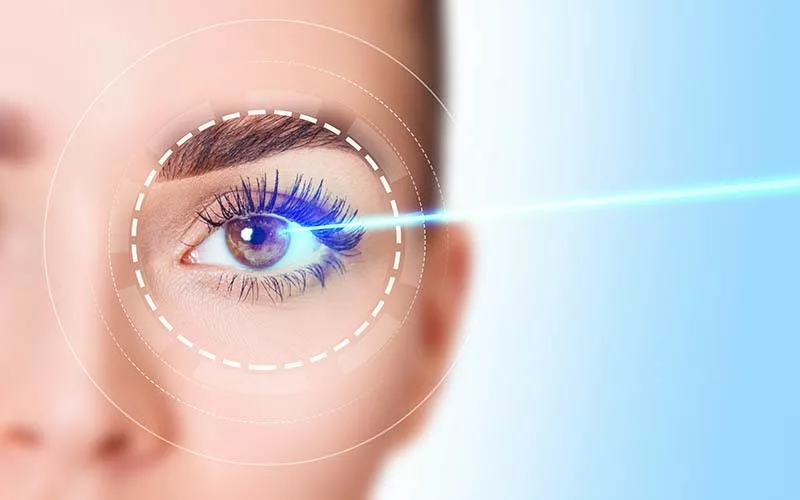
LASIK is a laser eye surgery that reshapes the cornea to correct common vision problems such as nearsightedness, farsightedness, and astigmatism. Understanding the procedure, eligibility requirements, and expected results can help patients make informed treatment decisions. Here are answers to some frequently asked questions about LASIK:
Am I Eligible for LASIK?
Eligibility for LASIK depends on several factors that a specialist reviews during an evaluation. Your candidacy is not decided by age alone, and your overall eye health is fundamental in the assessment. Surgeons generally review the following factors before recommending the procedure:
- Stable vision: Your prescription should remain consistent for roughly one year, which indicates that your refractive error has settled.
- Corneal thickness: The cornea needs enough tissue for reshaping, and thin corneas rule out the standard procedure.
- General eye health: Conditions such as dry eye or infection can affect timing, so the surgeon confirms your eyes are in suitable condition.
- Age: Most candidates are 18 or older, though the surgeon confirms the range during your visit.
What Happens During LASIK?
Before LASIK surgery begins, the surgeon applies numbing drops to reduce discomfort during treatment. You remain awake throughout, while the eye is stabilized to keep it still. The surgeon first creates a thin flap in the cornea using a precise instrument or laser. After lifting the flap, a second laser reshapes the underlying tissue according to your measurements, correcting how light focuses on the retina. The flap is then repositioned, and it settles into place without stitches. When both eyes are complete, the surgeon checks your vision and provides aftercare guidance.
How Long Is Recovery?
Recovery from LASIK begins quickly, and people often notice clearer vision within a day. Some blurriness, light sensitivity, or mild irritation can appear early on, but these effects generally fade as the eyes heal. Following your surgeon’s instructions supports a smooth recovery. Here are a few practical steps that can protect your eyes during the healing window:
- Use prescribed drops: These keep the eyes lubricated and reduce the risk of complications.
- Avoid rubbing your eyes: Rubbing can disturb the healing flap, so keep your hands away.
- Limit strenuous activity: Skip swimming and contact sports until your surgeon clears you.
- Attend follow-up visits: These appointments let the surgeon track progress and address concerns.
What Results Can I Expect?
Results vary between individuals, and your outcome depends on your original prescription and how your eyes heal. Some people achieve sharper vision and reduce their reliance on glasses or contacts, though some may still need corrective lenses for specific tasks such as reading. A consultation gives you a realistic sense of what your eyes can achieve. It helps to remember that vision continues to change with age, and LASIK does not stop age-related conditions like presbyopia. Your surgeon explains the range of possible outcomes based on your measurements, so your expectations stay grounded in your data.
Schedule Your LASIK Consultation Today
LASIK is a proven solution for correcting vision issues such as nearsightedness, farsightedness, and astigmatism by precisely reshaping the cornea. Determining your candidacy involves a thorough consultation, where detailed measurements and personalized assessments help set realistic expectations. While LASIK can provide life-changing improvements, it is key to evaluate factors like age-related changes in vision over time. Contact a qualified optometrist near you to schedule your LASIK consultation today.