
Cataracts cause the eye’s natural lens to become cloudy. Cataract specialists evaluate vision changes, and surgical treatment may involve advanced technology designed for ophthalmic procedures. When cataracts interfere with vision, an eye specialist can evaluate the condition and discuss available treatment options. Here is more information about the role of a cataracts specialist in vision restoration:
Diagnosing Cloudy Lenses
Cataracts develop gradually within the eye’s natural lens. Vision is able to become cloudy or blurry, and changes can become more noticeable as the cataract progresses. Because cataracts often develop over time, an eye examination can evaluate the lens and document changes in vision.
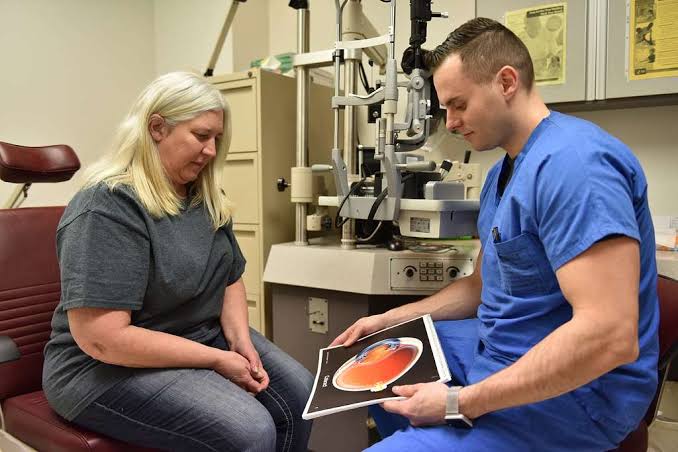
Corrective lenses may address some vision changes during earlier stages. a cataracts specialist evaluates visual function and lens clouding, while examination findings provide information about cataract progression. When cataracts begin interfering with everyday activities, the specialist may discuss cataract surgery and available treatment approaches.
Cataract surgery removes the cloudy natural lens. The procedure replaces that lens with an artificial intraocular lens, and different surgical techniques may be used during treatment. Depending on the patient’s eyes and treatment needs, available procedures include femtosecond laser-assisted surgery and phacoemulsification.
Performing Laser-Assisted Surgery
Femtosecond laser-assisted surgery is one approach to cataract treatment. The laser produces short energy pulses, and these pulses assist with specific steps during the surgical procedure. Because the technology uses computer-guided imaging, the surgeon can plan certain incisions and lens treatment before removing the cataract.
The laser assists with breaking apart the clouded lens. Surgeons then remove the fragmented lens material, and an artificial intraocular lens replaces the natural lens. When laser-assisted surgery is appropriate, the ophthalmologist determines how the technology fits into the individual surgical plan.
Performing Phacoemulsification Procedures
Phacoemulsification uses ultrasound technology during cataract surgery. A surgeon inserts a small probe through an incision, and ultrasound energy breaks the cloudy lens into smaller fragments. After the fragments are removed through suction, an intraocular lens replaces the natural lens. The small incision allows the surgeon to perform the procedure without the larger openings associated with older cataract techniques.
Correcting Astigmatism Issues
Astigmatism affects the curvature of the cornea. Cataract surgery addresses the cloudy lens, and additional techniques may address astigmatism during the same treatment process. When appropriate, a surgeon may perform limbal relaxing incisions to modify corneal curvature. These incisions may occur during cataract surgery or afterward, depending on individual treatment needs.
- Evaluating the degree of astigmatism
- Reviewing the shape of the cornea
- Discussing available correction methods
- Performing limbal relaxing incisions when appropriate
Restoring Clarity After Surgery
Cataract surgery replaces the cloudy natural lens with an intraocular lens. Some patients later develop cloudiness behind the implant, and this change may affect vision after surgery. When this cloudiness occurs, a posterior capsulotomy creates an opening in the affected capsule so light can pass through more clearly. The ophthalmologist evaluates postoperative vision changes before determining whether this follow-up procedure is appropriate.
Schedule With a Cataracts Specialist
Cataracts can gradually affect everyday vision. Blurry or cloudy sight may interfere with reading and driving, and symptoms often become more noticeable as cataracts progress. When vision changes affect daily activities, an ophthalmologist can evaluate the lens and discuss available cataract treatment options. Schedule a cataract evaluation today to discuss your symptoms and learn about available treatment approaches.