
Routine and medical eye exams evaluate vision while examining the eyes for signs of disease and other health changes. Testing may identify glaucoma, macular degeneration, diabetic retinopathy, or dry eye concerns before noticeable symptoms develop. Because some eye conditions progress gradually, regular examinations provide opportunities to monitor changes and discuss appropriate management or treatment options. Here is more information about the role of early detection in eye health:
Distinguishing Routine And Medical Exams
Routine eye exams evaluate visual acuity, prescription needs, and general eye health through regular screening. Medical exams address diagnosed conditions or symptoms, including eye pain, vision changes, or sudden increases in floaters. Because medical exams focus on specific concerns, testing may differ based on symptoms, health history, and previous eye findings. Both examination types provide information that helps optometrists evaluate vision and monitor changes in eye health.
Detecting Disease Before Symptoms
Glaucoma, macular degeneration, and diabetic retinopathy are able to develop before noticeable vision changes or discomfort appear. Medical eye exams evaluate eye structures and function, while diagnostic testing may reveal changes associated with these conditions. Because symptoms are able to emerge later, regular examinations provide opportunities to identify abnormalities during earlier stages.
When an examination identifies changes, an optometrist is able to determine whether additional testing, monitoring, treatment, or referral are able to be appropriate. Early findings also create a baseline, and future examinations can track whether an eye condition remains stable or progresses. This ongoing evaluation provides information that helps guide management decisions based on individual eye health.
Examining Retina And Tear Film
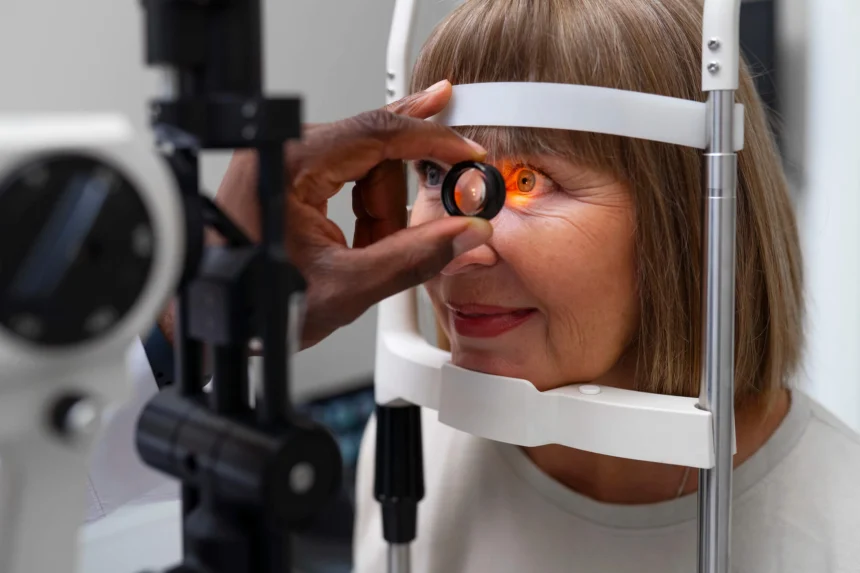
A medical eye exam may include dilation to provide a broader view of structures inside the eye. Special drops widen the pupil, allowing the optometrist to examine the retina, optic nerve, and surrounding structures. Because these areas can show signs of eye disease, dilation provides additional information about overall eye health.
Tear film testing evaluates the moisture layer that protects and lubricates the eye’s surface. An optometrist may use specialized staining to examine tear distribution, stability, and changes affecting the ocular surface. Abnormal findings are able to relate to dry eye or other conditions involving the surface of the eye.
Additional diagnostic testing may be performed when symptoms, medical history, or examination findings require further evaluation. Testing methods vary, and each provides different information about eye structures, tear function, or visual health. These findings can help guide monitoring, management, or treatment based on the condition being evaluated.
Recognizing Common Eye Conditions
Medical eye exams are able to identify and monitor conditions affecting different structures and functions within the eyes. Some conditions develop gradually, while others may cause sudden symptoms requiring additional evaluation. Common conditions evaluated during medical eye care include:
- Glaucoma
- Macular degeneration
- Macular dystrophy
- Diabetic retinopathy
- Cataracts
- Eye infections
- Corneal damage
- Eye trauma
- Dry eye
Individual risk varies with factors such as age, medical history, symptoms, and existing health conditions. Regular examinations allow optometrists to monitor these factors and evaluate changes in eye health over time.
Schedule Your Eye Exam Today
Regular exams provide opportunities to evaluate vision and monitor changes in overall eye health. Routine exams assess general vision needs, while medical eye exams investigate symptoms or diagnosed eye conditions. Because some eye diseases develop without early symptoms, ongoing examinations may identify changes requiring additional evaluation or management. Schedule an eye exam today to discuss your vision, symptoms, and individual eye care needs.