
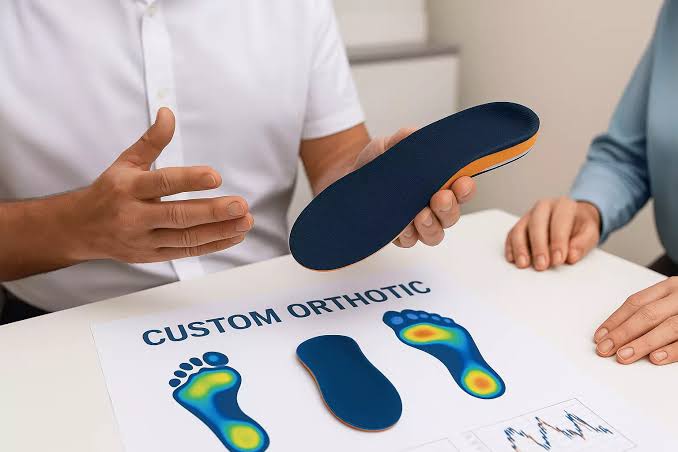
Custom orthotics are prescription shoe inserts designed to support the feet, improve alignment, and address specific concerns. The appropriate option depends on factors such as your foot structure and medical needs. Here is more information on knowing which custom orthotics option is right for you:
Assess Your Foot Condition
The first step in choosing custom orthotics starts with a clear picture of what your feet need. A professional will examine how you stand, walk, and shift your weight, and they note where pressure builds up. You should track when discomfort appears, whether it flares in the morning or after long hours on your feet. This detailed review helps a specialist recommend a device suited to your specific pattern.
Explore Device Types
Custom orthotics are available in several forms, and each meets different needs. Material and firmness change how a device responds under your weight. Some people want cushioning that softens each step, while others want firm structure that holds the foot in place.
Accommodative Orthotics
Accommodative orthotics use softer and flexible materials that cushion the foot and reduce pressure on tender spots. They suit people who want extra cushioning across the heel, arch, or ball of the foot. These devices tend to feel plush, and they often fit well inside roomier shoes.
Functional Orthotics
Functional orthotics use firmer materials that guide how your foot moves with each step. They aim to control motion and keep the foot in a steady position. These devices work well for people who need structure during activity, and they often last longer than softer versions.
Review Activities and Footwear
Your daily routine plays a large role in which device fits your life. A runner needs something different from a nurse who stands all day, and both differ from someone who sits at a desk. You should also think about the shoes you wear most, whether they are sneakers, boots, or dress shoes, since the orthotic has to fit inside them. When you share these habits with a specialist, they can create a device that works with your schedule and footwear.
Evaluate Fit and Effectiveness
Once you receive your custom orthotics, a short adjustment period helps you evaluate how well they perform. You want the device to feel secure without crowding your toes, and it should ease discomfort. Track your response over the first few weeks, and share any concerns with your specialist. Here are some key features to watch as you settle in:
- Comfort during wear: The orthotic should feel supportive throughout the day, not stiff or bulky after a few hours.
- Proper fit in your shoes: Make sure the device sits flat and leaves enough room for your foot to rest naturally.
- Change in pressure points: Notice whether sore spots feel relieved, and flag any new pressure points.
- Steadiness while moving: Check that your footing is balanced when you walk, climb stairs, or stand for long periods.
- Durability over time: Watch for wear or flattening, and plan for a replacement once the materials break down.
Get Fitted for Custom Orthotics
Orthotics can significantly reduce discomfort, improve stability, and support overall foot health. Choosing the right device starts with a clear understanding of your foot condition. Custom orthotics work best when a specialist tailors them to your feet, your footwear, and your daily demands. To get fitted for custom orthotics, contact a qualified foot specialist near you to book your appointment today.