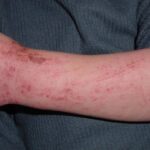

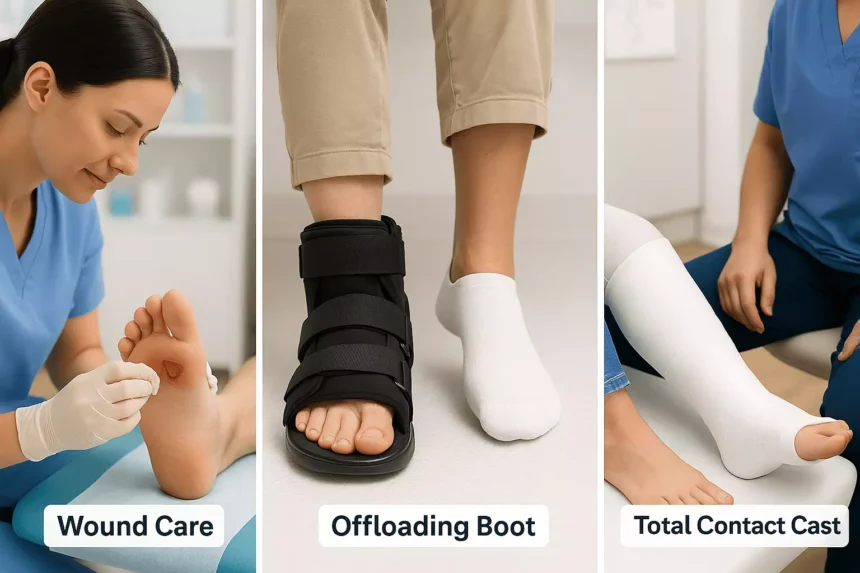
Some wounds heal slowly, and that delay signals a need for extra attention. Advanced wound care services treat injuries that resist standard methods, such as diabetic ulcers, surgical wounds, and burns. When healing stalls for weeks, specialized care steps in to address the underlying cause. Here is more information on advanced wound care services:
Multiple Specialties
Advanced wound services involve a team of providers, and each brings a specific skill set. A wound that involves poor circulation may need input from a vascular specialist. Nurses, podiatrists, and physicians work together to review your case. This coordinated approach fits patients who need timely attention for a stubborn wound. Before choosing a treatment path, the team assesses your history.
Hyperbaric Oxygen Therapy
Hyperbaric oxygen therapy places you in a pressurized chamber filled with oxygen. As tissue heals with adequate oxygen supply, this method targets wounds with reduced blood flow. Sessions last a set amount of time, and a technician monitors you throughout. The therapy suits certain wounds, not every case.
Providers screen you first to see whether this option fits your condition. This treatment supports diabetic foot ulcers and radiation injuries. When circulation limits recovery, added oxygen reaches the affected tissue. Your care team explains what each session involves before you begin.
Hyperbaric oxygen therapy is an effective method for promoting healing in specific cases. It works by delivering pure oxygen in a pressurized chamber, and it enhances the body’s natural recovery processes. While highly effective for some conditions, this treatment requires careful evaluation to make sure it is the right fit.
Advanced Dressings
Standard bandages cover a wound, but advanced dressings do more than that. These products manage moisture, and some release agents that reduce bacteria. A dressing choice depends on the wound type, size, and drainage level. To do this, your provider selects the option that matches your situation. Several dressing categories serve different needs:
- Foam dressings absorb fluid from wounds with heavy drainage.
- Hydrocolloid dressings hold moisture for wounds that stay dry.
- Antimicrobial dressings target bacteria in wounds at risk of infection.
Providers change these dressings on a schedule that fits your wound. When drainage shifts, the team may switch to a different product. This flexible approach responds to how your wound behaves, and you receive instructions for care between appointments.
Grafted Tissue and Skin Substitutes
Some wounds need more than dressings to close, and grafts offer another path. A skin graft moves healthy tissue to cover an open area. Skin substitutes, made from lab-produced or donor material, act as a temporary layer. In many cases, providers use these methods for large or deep wounds.
The team reviews whether your wound qualifies for this step. When a wound resists other treatments, a substitute may support new tissue growth. These materials come in several forms, and providers match them to your wound. Your care plan outlines what to expect after placement.
Schedule Wound Care Services
A wound that has not healed in a few weeks deserves a professional review. Advanced wound care brings together specialists, therapies, and dressings under one plan. When you notice slow healing, redness, or drainage, reach out for an assessment. Call a medical clinic today or book online to schedule your wound care evaluation.