Flat feet occur when the arches of the feet are low or absent, causing most or all of the sole to contact the ground while standing. This condition can affect posture and how pressure moves through the legs and lower body. Understanding the connection between flat feet and other health issues can help individuals determine when professional evaluation is appropriate.
Changing Foot Mechanics
The arch acts as a natural spring that absorbs force with each step. When the arch flattens, leading to flat feet, the foot loses some of this shock-absorbing ability, and pressure may spread across the sole. The heel may also tilt inward as the foot rolls. This shift changes how weight moves from the heel to the toes. A flat foot places extra strain on the tissue along the bottom of the foot and stretches the tendons that support the arch. Some people feel this strain as heel or arch soreness after long periods of standing.
Affecting the Ankles and Knees
The feet form the body’s base, so flat feet and arch changes can affect the joints above them. Each joint in the leg relies on the one below it for steady alignment. When the foot rolls inward, the lower leg may rotate along with it.
Effects on the Ankles
The ankle connects the foot to the lower leg, and it adjusts each time the foot rolls inward. This repeated adjustment places extra stress on the tendons along the inner ankle. Some people notice swelling or tenderness in this area after activity. When the ankle works harder to remain steady, it may also feel less stable on uneven ground.
Effects on the Knees
Inward rolling of the foot can turn the shinbone slightly inward. This rotation may change how the kneecap moves and add pressure to the inside of the knee. Some children and adults experience knee discomfort while running or climbing stairs, although the cause varies from person to person.
Influencing the Hips and Back
The effects of a flat arch extend beyond the legs. When the lower leg rotates inward, the thigh bone may follow, tilting the pelvis forward. A tilted pelvis can change the lower back’s natural curve. Some people with flat feet experience hip or lower back discomfort, although other factors can also contribute.
A flat arch on only one foot may create differences between the two sides of the body. One leg often functions as though it were slightly shorter, shifting weight unevenly across the hips. Over time, muscles on one side may work harder than those on the other, and this imbalance often leads to fatigue.
Seeking Professional Care
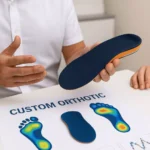
Flat feet do not always require treatment, but certain signs require a podiatric evaluation. When any of the following signs appear, a visit with a podiatrist may provide useful answers:
- Ongoing foot pain: Pain in the arch, heel, or ankle that lasts for several days or returns often.
- Spreading discomfort: Pain that moves into the knees, legs, hips, or lower back.
- Changes in walking: Limping, frequent tripping, or a change in how a child walks or runs.
- One flat foot: A low arch on only one side, or an arch that flattens over time.
- Stiff feet: Feet that feel rigid or have limited side-to-side movement.
Evaluate Your Flat Feet Today
Flat feet change how the foot absorbs force, which may affect the ankles, knees, hips, and back. Some people have no symptoms. Others experience discomfort that limits daily activity, and a professional assessment can clarify the cause. Contact a qualified podiatrist near you to book your appointment and have your flat feet evaluated today.