

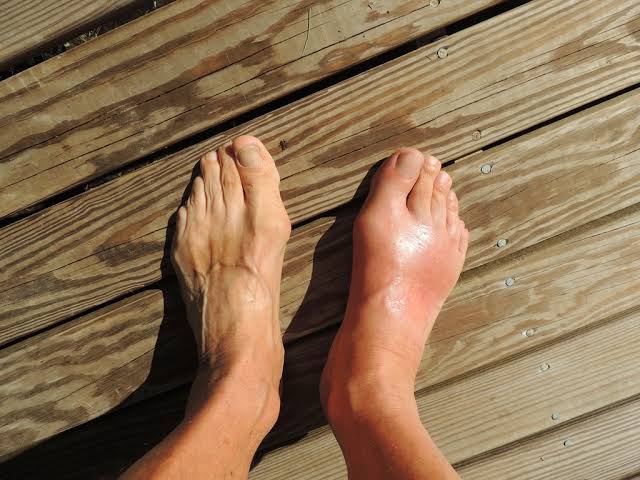
Plantar fasciitis is a cause of heel pain that develops when the tissue supporting the arch of the foot becomes irritated or inflamed. Flat feet may add strain to this tissue by changing how weight is distributed during movement. Here is an overview of the connection between plantar fasciitis and flat feet:
Flat-Foot Mechanics
Flat feet occur when the arch of the foot is lower than usual, and the entire sole presses against the ground during movement. A healthy arch distributes weight evenly, but a flattened arch shifts that load unevenly across the foot. This altered mechanics changes how forces travel through the heel, the arch, and the surrounding tissue with every step you take.
When the arch collapses, the plantar fascia stretches farther than it should, and that added strain may cause plantar fasciitis. Some people are born with low arches, while others develop them gradually through age, weight changes, or repeated activity. The way your foot rolls inward, a motion known as overpronation, can also add stress to the tissue that supports your arch.
Foot Strain and Inflammation
The plantar fascia acts like a shock absorber, tightening and loosening as you move. When flat feet place extra tension on this band, tiny areas of the tissue can react to the repeated pull. This cycle of strain and reaction may lead to the irritation that people associate with heel pain. Here are several factors that can increase the level of strain on your feet:
- Prolonged standing: Long shifts on hard surfaces keep the tissue under constant tension.
- Sudden activity increases: A quick jump in walking or running mileage can overload the arch.
- Unsupportive footwear: Shoes with thin soles or worn cushioning offer little protection.
- Excess body weight: Added weight increases the force that travels through each step.
Symptoms and Risk Factors
Heel pain from plantar fasciitis often feels sharp during the first steps of the day, and it may ease as you keep moving. Some people also notice stiffness after sitting for long periods, while others feel discomfort after exercise rather than during it. The pain generally centers near the heel, though it can spread along the arch when the tissue stays tight.
Risk factors extend beyond flat feet; several traits can increase your chances of developing symptoms. Here are certain signs that suggest your symptoms deserve closer attention:
- Morning pain: Sharp heel discomfort during your first steps after waking.
- Lingering stiffness: Tightness that returns after rest or long periods of sitting.
- Activity-related soreness: Pain that follows walking, running, or standing.
Pain Management and Support
Managing plantar fasciitis usually centers on reducing strain and improving the support beneath your feet. Supportive footwear with firm cushioning helps distribute weight, and custom or over-the-counter insoles can add structure to a low arch. Gentle calf and foot stretching may keep the tissue flexible, though you should consult a professional before starting a new routine. Make sure your shoes fit well and replace them once the cushioning wears down. Resting after long periods of standing gives the tissue time to recover, and pairing rest with ongoing support builds a practical plan.
Get Relief From Plantar Fasciitis
Plantar fasciitis and flat feet share a clear connection; a low arch places added strain on the tissue that supports your heel. Understanding foot mechanics, recognizing early symptoms, and identifying risk factors can help you respond before discomfort disrupts your day. Supportive footwear and regular rest can help you manage the condition over time. To get relief from plantar fasciitis, contact a qualified podiatrist near you to schedule your appointment today.