An endoscopy is a medical procedure that lets healthcare providers examine the digestive tract using a thin and flexible tube with a camera. Proper preparation for an endoscopy is key to supporting accurate results and minimizing potential complications. Here are some useful tips for preparing for your upcoming endoscopy:
Understanding Your Endoscopy Preparation
Before an upper endoscopy, patients often receive sedation, medication that helps you relax and stay comfortable. The doctor guides the tube through your mouth, and the camera sends images to a monitor in the room. If the doctor notices an area that needs closer study, they may take a small tissue sample called a biopsy. Your clinic will provide written preparation instructions before your appointment. Read them as soon as you receive them, and keep them somewhere you can find easily. Instructions vary between facilities, so follow the ones your care team gives you.
Following Dietary and Fasting Instructions
Your stomach needs to be empty during an upper endoscopy. Food or liquid in the stomach blocks the doctor’s view, and your care team requires an empty stomach before sedation. The following sections explain the common steps patients need to follow.
Adjust Your Meals
Some clinics ask patients to eat light meals the day before an endoscopy. Choose foods such as plain rice, broth, or toast, and skip heavy, greasy, or spicy dishes. If your doctor gives you specific food limits, follow those instead of general guidance. Avoid alcohol, as it interacts with sedation medications.
Stop Eating and Drinking
Some clinics ask patients to stop eating solid food at least six to eight hours before the procedure. Some allow clear liquids, such as water or apple juice, until a few hours before arrival, but cutoff times differ by facility. Write down the exact times your clinic provides so you don’t miss them.
Reviewing Medications and History
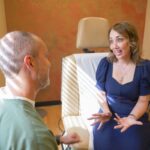
Some medications and health conditions affect how your care team plans an endoscopy. Schedule a conversation with your doctor at least one week before the procedure, and bring a complete list of your prescriptions and supplements. Sharing this information early gives your doctor time to adjust your plan. Discuss the following items during that review:
- Blood thinners: Medications such as warfarin or aspirin affect bleeding, so your doctor will tell you whether to pause or continue them.
- Diabetes medications: Fasting changes blood sugar levels, and your doctor may adjust your insulin or oral medication schedule.
- Over-the-counter products: You may need to stop iron supplements, antacids, and herbal remedies a few days before the procedure.
- Allergies: Report any past reactions to medications, latex, or anesthesia.
- Health conditions: Share details about heart or lung conditions, sleep apnea, or previous reactions to sedation.
Arranging Transportation and Recovery
Sedation affects your coordination and judgment for several hours after the procedure. Clinics may not release you unless a responsible adult drives you home, and some do not allow patients to leave alone in a taxi or rideshare. Confirm your driver a few days in advance so that you have time to find a backup if plans change.
After the procedure, you will spend a short time in a recovery area while the sedation wears off. Some patients notice a mild sore throat or bloating, and these effects usually fade within a day. Plan to rest for the remainder of the day, and avoid driving, operating machinery, or signing legal documents until the next morning.
Book Your Endoscopy Appointment Today
Proper preparation for an endoscopy involves following dietary restrictions, arranging for transportation, and asking any necessary questions ahead of time. Recovery is generally straightforward, with mild effects like a sore throat or bloating resolving quickly. Follow post-procedure guidance on rest and diet to support a smooth recovery. Contact a qualified gastroenterologist near you to book your endoscopy appointment today.