Sports medicine diagnoses, treats, and helps prevent injuries related to exercise and sports. Many people seek care only after an injury, but early care gives you more options. Prevention involves planning, and it continues through training and recovery. If a provider finds a weak area, you can address it early, and you avoid a longer setback.
Movement Assessment and Risk Factors
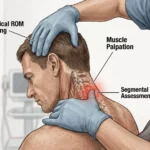
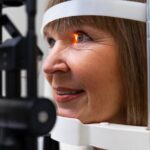
A prevention plan begins with an evaluation. The goal is to find risks before they cause an injury. The sports medicine provider reviews your injury history and asks about your sport, schedule, and goals. They may watch you squat, run, or jump, and note any patterns that stress joints. This evaluation often includes posture screening, and the provider may assess how your joints move under load.
Each finding points to a specific area of strain, and it guides the next step. Some providers also use video analysis or strength testing for more detail. Risk factors vary by sport and depend on your training volume and history. A runner may show different imbalances than a weightlifter, and your provider accounts for those. When the provider identifies a risk factor, they explain it, and you receive a plan built around it. Your results become a baseline, and later visits compare your progress.
Physical Therapy for Recovery
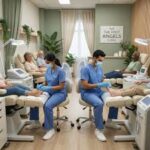
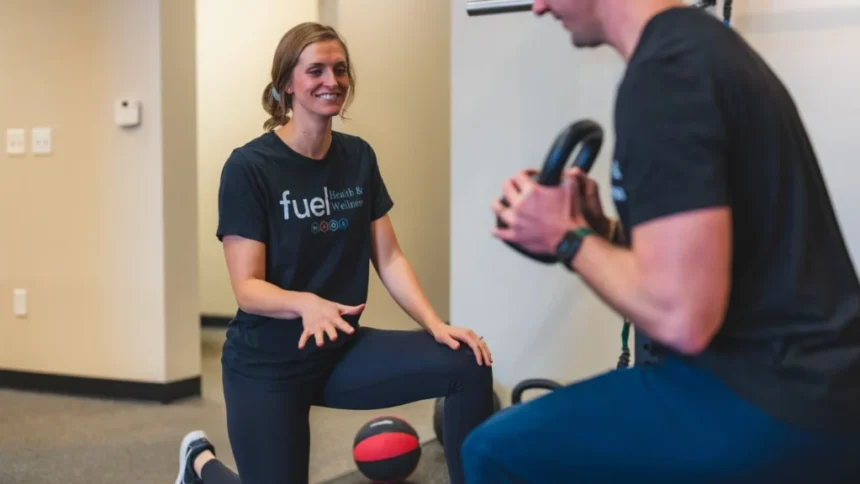
A physical therapist builds a program from your assessment results, with exercises that target the specific weak areas found during your evaluation. This is the time to discuss your personal goals. Programs often run several weeks, and sessions increase in difficulty as you improve. Here is what your program may include:
- Strength work: Targeted exercises build up the areas your evaluation identified as weak.
- Balance and flexibility drills: These are usually part of the program and support steadier, more controlled movement.
- Progression: Your therapist may start with low-load movements to build a foundation, then add challenge as your body adapts.
- Exercise adjustments: Exercise selection is based on your movement findings, your sport, and your fitness level. If an exercise causes discomfort, your therapist adjusts it so you can build strength safely and avoid injury.
- Form coaching: Good technique spreads force more evenly and can reduce strain on one area.
- Warm-up and cool-down routines: A proper warm-up prepares your joints and muscles for activity, and a cool-down helps your body transition out of exertion.
- A home program: Practicing exercises at home helps you manage your own routine and rely less on clinic visits.
Recovery Treatment and Repair
Recovery is part of prevention. Rest days give tissues time to adapt to training loads, and skipping them raises your risk of overuse injuries. Sleep, hydration, and nutrition affect how your body recovers. Without enough sleep, your tissues repair more slowly and your performance may decline. Staying hydrated supports joint function, and eating enough protein gives your muscles what they need to rebuild. Managing training load is another key part of recovery. Your provider can help you apply it to your schedule. Tracking workouts gives you and your provider useful data and makes it easier to spot patterns that cause strain. Hot and cold compresses are simple tools you can use at home. Your provider can explain when to use each and for how long.
Book a Sports Medicine Evaluation
Injury prevention is an ongoing process. Sports medicine combines assessment, physical therapy, and recovery care, and each part supports the others. If you train often or have a past injury, schedule an evaluation. Bring notes on your symptoms, training schedule, and goals, and ask how each service fits your sport and activity level. A clear plan can help you stay active and consistent.