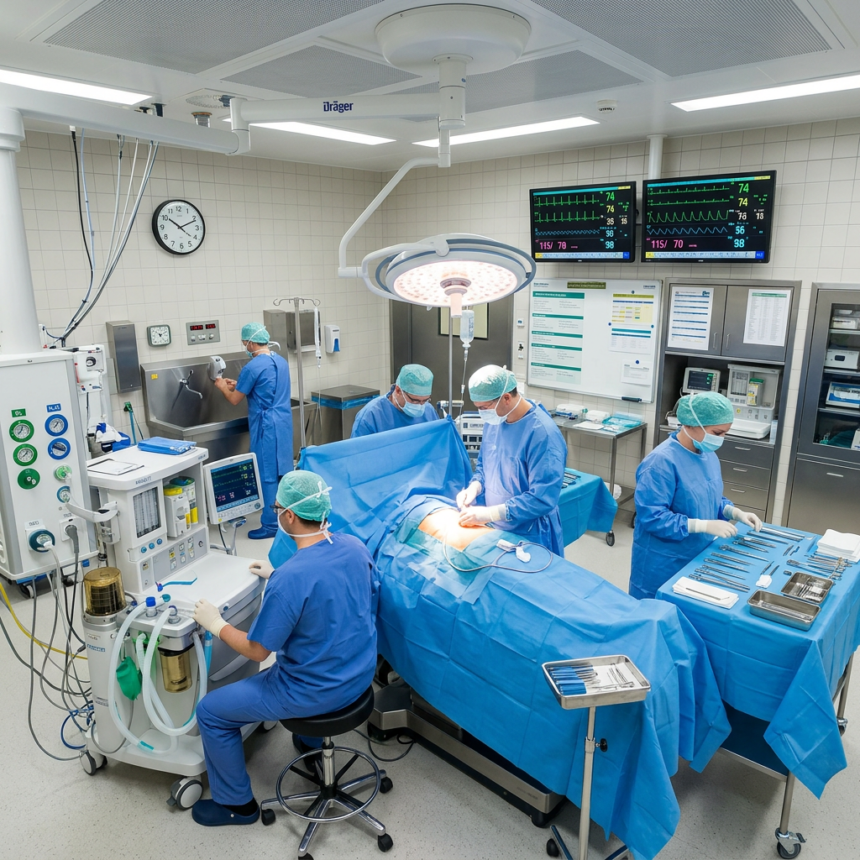
A general surgeon treats a wide range of conditions, from hernias to complex abdominal issues, and they select techniques suited to each patient’s needs. Because patients benefit from proper preparation, it is useful to understand the surgeon’s role and the surgical process. Here is more information on what a general surgeon does and the steps involved in the surgical process:
What Is a General Surgeon?
A general surgeon is a physician trained to diagnose and treat a broad range of conditions affecting the abdomen, digestive tract, skin, and soft tissue. Since their education spans several surgical specialties, these surgeons can treat a wide range of health concerns across different body systems. Patients may first meet a general surgeon after a referral; the surgeon evaluates the condition and recommends treatment.
What Services Do They Offer?
General surgeons treat a variety of conditions and select from multiple surgical approaches based on the patient’s diagnosis and overall health. Surgical services include:
- Hernia repair: Addresses tissue that protrudes through a weakened area of muscle.
- Breast surgery: Covers procedures ranging from biopsies to the removal of tumors or affected tissue.
- Laparoscopic surgery: Uses small incisions and a camera-guided instrument, which reduces recovery time.
- Robotic surgery: Gives surgeons enhanced precision through robotic-assisted tools.
What Does the Process Involve?
The surgical process generally unfolds across three main stages: consultation, the procedure itself, and recovery. During the consultation, the surgeon reviews the patient’s medical history and discusses symptoms. The surgeon may also order imaging or lab tests, and these results help confirm a diagnosis. When the evaluation is complete, the patient and surgeon establish a treatment plan suited to the specific condition.
Once a plan is set, the surgical team schedules the procedure. The team also provides pre-operative instructions, and these instructions may cover dietary restrictions, medication adjustments, and arrangements for post-surgery transportation. Patients who follow these guidelines closely may experience fewer complications during surgery. Recovery begins immediately after the procedure. Recovery length varies by surgery type, but laparoscopic and robotic procedures typically allow shorter recovery periods than open surgery.
How Is It Navigated?
Patients can take an active role at each stage of the surgical process by communicating openly with their care team. Asking questions during the consultation about the procedure, anesthesia, and expected outcomes helps set realistic expectations, and it also gives the surgeon a chance to address concerns early. Surgeons and their staff can clarify which symptoms to watch for. They also explain when patients should seek follow-up care, because reporting problems early helps prevent further complications.
Preparing a support system before surgery contributes to a smoother experience; patients can arrange help with transportation, household tasks, or child care during the initial recovery period. This preparation allows for proper rest. Those who plan ahead may find the transition from procedure to recovery more manageable. Advance planning matters because recovery is easier when practical needs are already met.
Following post-operative instructions closely plays a central role in achieving a successful outcome. These instructions include attending follow-up appointments, monitoring the surgical site for signs of infection, and gradually resuming normal activities as the surgeon directs. Patients should avoid rushing the process, since returning to strenuous activity too early can delay healing, and they should contact the surgeon if symptoms worsen.
Seek Professional Guidance Now
A general surgeon offers a wide range of services, from hernia repair to robotic-assisted procedures, and each is tailored to each patient’s diagnosis. If you are experiencing symptoms that may require surgical evaluation, consult a general surgeon. They will discuss diagnosis and treatment options.