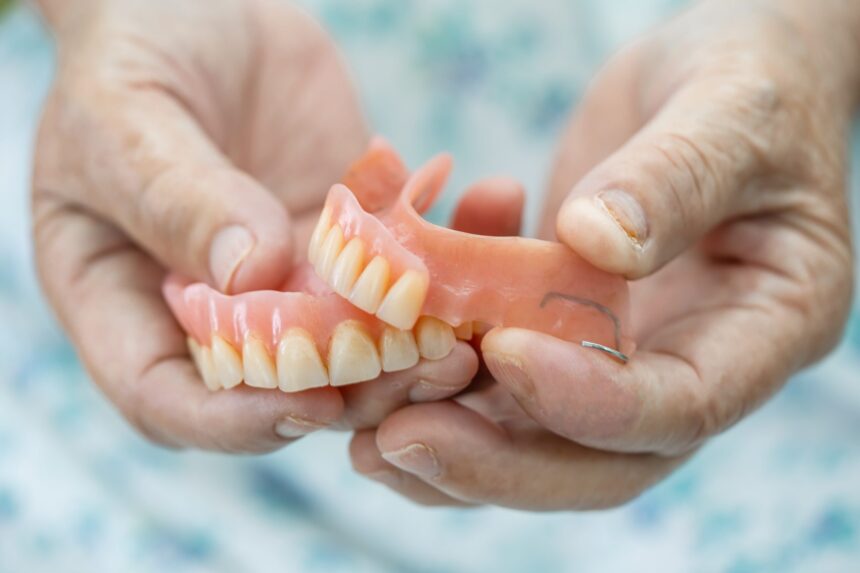
Full dentures are removable appliances designed to replace all missing teeth in the upper jaw, lower jaw, or both. Understanding their fit and adjustment process can help you prepare for life with dentures. Here is a comprehensive guide to full dentures:
Exploring Denture Options
Dentures are available in several types, and each follows a different timeline. The right option depends on your oral health, jawbone condition, and personal preferences. A dentist reviews these factors during your evaluation. The main types of full dentures include:
- Conventional dentures: A dental lab makes these after the dentist removes any remaining teeth and the gums heal.
- Immediate dentures: The dentist places these on the day of extraction, so you do not go without teeth during healing.
- Implant-supported dentures: These attach to dental implants placed in the jawbone and stay in place without adhesive, but they require surgery and take longer.
Understanding the Fitting Process
The fitting process for full dentures takes place over several appointments. Each step gives the dentist information that impacts the final appliance and the fit. Knowing what to expect helps you evaluate whether a treatment plan is complete.
Evaluation and Treatment Planning
The process starts with an oral exam, which often includes X-rays and a review of your dental history. The dentist checks your gums, jawbone, and any remaining teeth. If teeth need removal, the dentist explains why and outlines the timeline. This stage is a good time to request a second opinion, since the diagnosis guides every step.
Impressions, Try-Ins, and Final Placement
The dentist then takes impressions and measurements of your mouth. A dental lab uses these records to create a wax model, and you try it on so the dentist can check fit, bite, and appearance. The lab then produces the final dentures. At the placement visit, the dentist makes small adjustments for comfort.
Adjusting To Wearing Dentures
Some people need time to get used to full dentures. During the first few weeks, you may notice extra saliva, minor soreness, or a feeling of bulkiness. These changes are common, and they usually lessen as your mouth adapts. Your dentist schedules follow-up visits to check for sore spots.
Eating and speaking also take practice. Start with soft foods cut into small pieces, and chew slowly on both sides of your mouth to keep the dentures stable. Reading aloud can help with words that are difficult at first. If a problem continues past the adjustment period, contact your dentist.
Maintaining Dentures and Oral Health
Daily care can keep full dentures clean and help them last. Remove and rinse your dentures after meals to clear away food particles. Brush them each day with a soft denture brush and a non-abrasive cleanser, as regular toothpaste may scratch the surface. When you are not wearing them, store them in water or a soaking solution to help them keep their shape.
Your gums and mouth also need attention. Gently clean your gums, tongue, and the roof of your mouth daily with a soft brush. Your jaw changes shape over time, so regular dental visits are key. During these visits, the dentist checks the fit and recommends a reline or replacement when needed.
Learn More About Full Dentures
Complete dentures replace all teeth in one or both jaws, and several types are available. The process includes an evaluation, impressions, try-ins, and placement, which are followed by adjustment and ongoing care. An independent second opinion gives you a clear view of your diagnosis and treatment plan. To learn more about full dentures, contact a qualified dentist near you to schedule your consultation today.