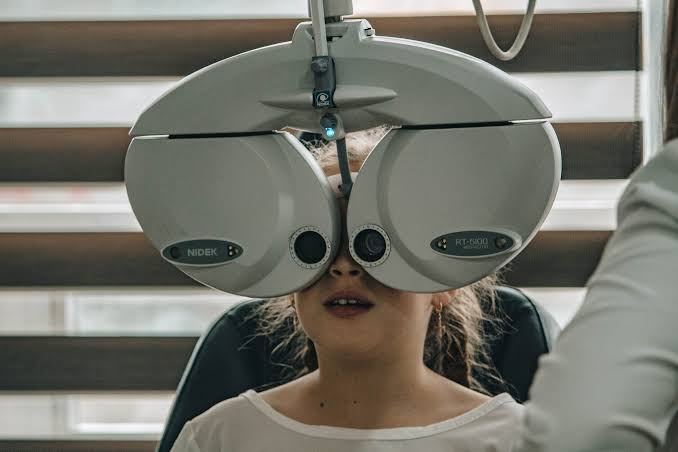
A regular eye exam helps assess vision and identify potential concerns that may not cause noticeable symptoms early on. An eye care professional may check visual clarity and the overall condition of the eyes. Here is a closer look at the role of eye exams for maintaining eye health:
Monitoring Vision Changes
An eye doctor measures how clearly you see at different distances during each eye exam. These measurements show whether your vision has changed since your last visit, and they help determine whether you need corrective lenses. Children’s eyes change as they grow, so their vision benefits from periodic review. Adults often notice changes in near vision, while seniors sometimes experience further changes that affect reading or driving.
Changes often go unnoticed in daily life. You may squint at road signs, or you hold your phone farther away without realizing it. A regular exam identifies these changes so you and your doctor can address them.
Detecting Eye Conditions Early
Some eye conditions develop slowly and produce few symptoms in their early stages. An eye exam includes tests that look for signs of these conditions, and your eye doctor reviews the results at each visit. When a doctor identifies a condition early, you have more time to discuss monitoring and management options. Eye doctors commonly check for the following conditions:
- Glaucoma: A group of conditions that affect the optic nerve, often linked to pressure inside the eye.
- Cataracts: A gradual clouding of the eye’s natural lens that commonly develops with age.
- Macular degeneration: A change in the central part of the retina that affects detailed vision.
- Diabetic retinopathy: Changes to the blood vessels in the retina that occur in some people with diabetes.
Reviewing Overall Eye Health
A comprehensive eye exam extends beyond reading letters on a chart. Your eye doctor examines the eye’s structures, and this review gives a comprehensive picture of your eye health. The exam generally covers the following areas.
Examination of the Surface
The doctor checks the eyelids, cornea, and white of the eye for irritation, dryness, or other visible changes. A slit lamp, which is a microscope with a bright light, provides a magnified view of these areas. This view lets the doctor notice small changes.
Examination of the Inner Eye
Your eye doctor uses dilating drops to widen the pupils. This step gives a clear view of the retina, optic nerve, and blood vessels at the back of the eye. Dilation causes temporary light sensitivity and blurred near vision, so patients often bring sunglasses or arrange a ride home. The effects generally wear off within a few hours.
Adjusting Care as Needed
Vision needs change with age, activities, and health status. A student who reads for long periods has different needs than a senior who drives at night, and an eye exam reflects these differences. Your eye doctor reviews how you use your eyes each day. This information helps guide recommendations for glasses, contact lenses, or other forms of vision correction.
Screen use is another factor to contemplate. Some adults spend long hours on computers, and children often use tablets for school. When you describe your daily habits, your doctor offers practical guidance on lens options, lighting, and break schedules. These adjustments make sure your vision correction fits your current routine.
Schedule Your Eye Exam Today
Regular eye exams are fundamental for maintaining optimal vision and addressing potential issues early. Your eye doctor can tailor guidance on lens options, lighting adjustments, and break schedules to match your daily habits. Following a customized exam schedule based on your age and health needs keeps your eye care up-to-date and effective. Contact a qualified eye doctor near you to schedule your eye exam today.