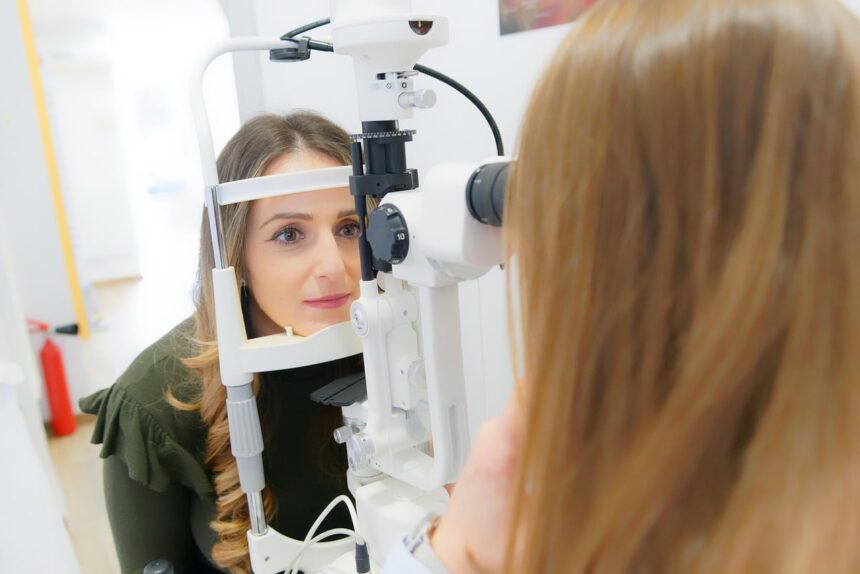
An eye exam is a structured series of tests an optometrist performs to assess your vision and your eyes’ overall health. These exams sometimes involve reading letters on a chart, but they also create a detailed record that helps track changes over time. Because many vision changes develop gradually, a person may not notice them without a professional evaluation. Here’s information about eye exams and their role in preventing vision problems:
Knowing What Eye Exams Include
A comprehensive eye exam begins with a review of your health history, current medications, and any vision changes you have noticed. The provider checks your visual acuity, and they may perform a refraction test if you need a prescription update. Additional tests assess eye alignment, peripheral vision, and pupil response to light.
Exams sometimes include measuring eye pressure. The provider may dilate your pupils; this allows for a clearer view of the retina and optic nerve. Because dilation causes temporary light sensitivity in some individuals, bringing sunglasses helps make you more comfortable afterward.
Routine eye exams serve a fundamental purpose. Some eye conditions have few noticeable signs in their early stages, so regular visits give your provider a chance to detect changes sooner. When your provider compares your results over time, they can also help keep your prescription current for daily tasks such as reading, screen use, and driving.
Scheduling Exams by Age
Children benefit from early eye exams, and some clinics offer care starting at age 5. Most adults should schedule an eye care appointment every one to two years. People over age 60 sometimes need more frequent visits because some eye diseases become more common with age. Your provider may also recommend more frequent exams if you wear contact lenses, have diabetes or high blood pressure, or have a family history of eye conditions.
Recognizing Signs Needing Attention
Some changes warrant an appointment before your next routine visit. Contact your eye care provider if you notice any of the following:
- Blurry or double vision
- Difficulty seeing at night or while driving
- Frequent headaches or eye strain during reading or screen use
- Persistent redness, irritation, or discharge
- Squinting, eye rubbing, or sitting unusually close to screens in children
Sudden symptoms may require prompt action. Vision loss, a sharp increase in floaters, flashes of light, or a curtain-like shadow across your field of view all warrant same-day care. If you experience an eye injury or chemical exposure, call your provider or go to the nearest emergency room. Keeping your provider’s contact information accessible makes it easier to act quickly when new symptoms arise. A swift response gives your provider the best opportunity to evaluate changes before they progress.
Consult an Eye Care Specialist
Eye exams assess both vision and eye health through targeted tests, and routine visits help providers monitor changes over time. Exam schedules vary by age and health history, while certain symptoms call for an earlier appointment. Before your next visit, write down any vision changes you’ve noticed and bring a current list of your medications. This practical step helps your provider give you the most informed guidance. Contact a local optometrist today to schedule an exam for yourself or a family member.