
PRP therapy uses a concentrated portion of a patient’s own blood to support healing and tissue repair in targeted areas. Different forms of PRP may be used for concerns involving joints, tendons, skin, hair, and other tissues, depending on the treatment goal. Here are some common types of PRP therapy and the potential benefits they offer:
Understanding PRP Types
PRP therapy is available in several forms, and each one targets a specific concern. Providers adjust the preparation method, platelet concentration, and delivery technique based on the area being treated. Here are some key categories:
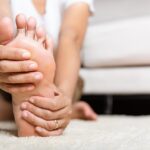
- Musculoskeletal PRP: Directed at joints, tendons, and muscles, this type supports areas affected by daily strain or activity.
- Hair Restoration PRP: Used to target hair loss or thinning, this approach supports natural hair regrowth by nourishing scalp health and stimulating follicles.
- Skin Rejuvenation PRP: Designed to improve skin texture and tone, this method enhances collagen production and supports natural skin renewal processes.
A provider reviews your goals, then recommends the form that best aligns with what you want to achieve.
Supporting Tissue Healing
Some adults choose PRP therapy to address discomfort in joints and tendons. A provider injects the platelet-rich plasma near the affected tissue, where the concentrated platelets interact with the surrounding area. The goal is to support the body’s repair process without the need for surgery.
Athletes and active individuals can explore this option, but it suits anyone dealing with wear from repetitive movement. A provider may recommend more than one session, and they will space appointments based on your response. Joint and tendon PRP works best with clear expectations, and a consultation lays that foundation. Your provider evaluates the area, reviews your activity level, and creates a plan.
Promoting Hair Restoration
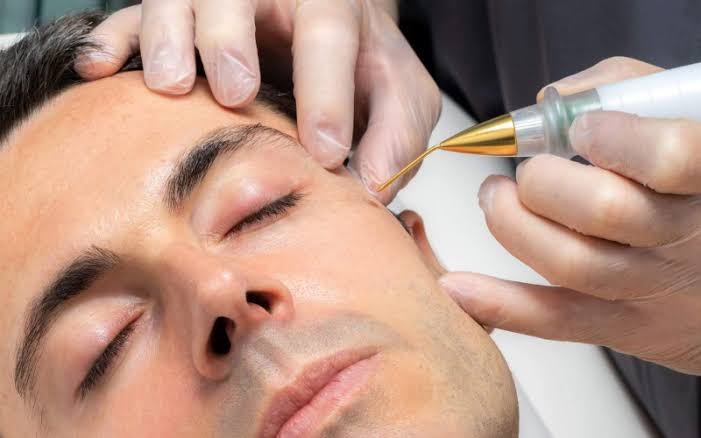
Aesthetic PRP is a key option for adults who want natural approaches to appearance. On the scalp, providers apply the plasma to thinning areas, and the concentrated platelets support the treated region. On the skin, they combine PRP with microneedling or apply it directly, so the plasma reaches deeper layers. The plasma comes from your own blood, keeping the process personalized. Changes tend to appear over several weeks, and providers often schedule a series of visits.
Exploring Treatment Benefits
PRP therapy offers several practical features, and its benefits connect to its nonsurgical nature. Here are some key benefits:
- Uses your own biology: The treatment uses a sample of your own blood, removing the need for synthetic substances and keeping the process natural.
- Minimal downtime: Most sessions require little recovery, so people often resume daily routines shortly after treatment.
- Nonsurgical approach: PRP avoids incisions, which makes it a helpful option for individuals who want to skip surgery.
- Targeted application: Clinicians direct the platelets to a specific area, so the treatment focuses precisely on the site of concern.
- Complements other care: Some patients combine PRP with movement, skincare, or other routines to reinforce their broader wellness plans.
Schedule Your PRP Therapy Consultation
PRP therapy offers a versatile solution for individuals seeking targeted treatments for concerns such as joint discomfort and hair restoration. Setting clear goals with your provider supports a focused approach, aligns treatments with your expectations, and helps you track progress effectively. Contact a qualified healthcare provider near you to schedule your PRP therapy consultation today.