Your feet and ankles carry your full body weight with every step. Pain in these areas may start with a sudden injury, or it may build slowly from overuse. When pain lasts for weeks, many people assume surgery is the next step. In foot and ankle clinics, providers typically start with non-surgical treatments like these four options:
Custom Orthotics
Custom orthotics are inserts shaped from a mold or scan of your feet, and they differ from store-bought insoles. Since each pair follows your foot shape, the inserts target specific pressure points. A foot and ankle doctor may recommend them for these conditions:
- Plantar fasciitis
- Bunions
- Ankle instability
- Arthritis in the foot
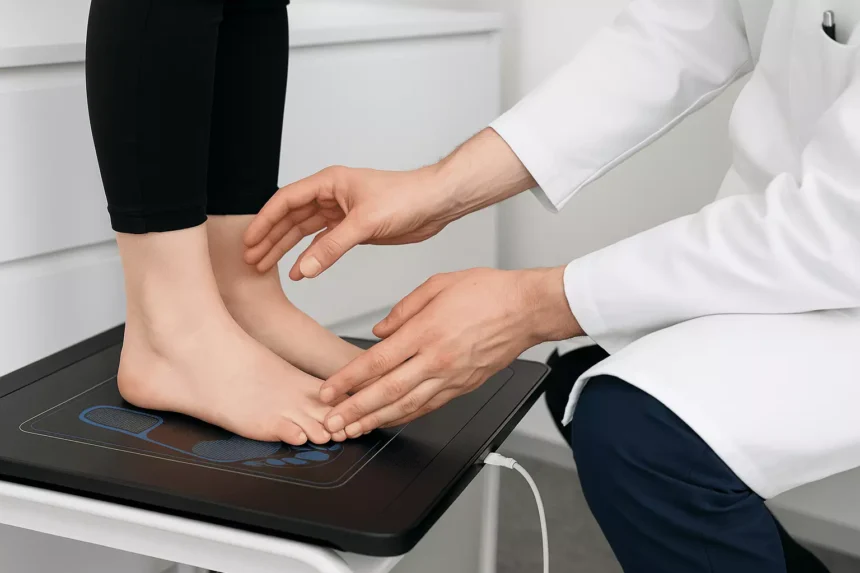
Before you get fitted, your provider watches how you stand and walk. The process often takes two or more visits. You wear the inserts in your regular shoes, and you may need a short break-in period.
Injectable Therapies
Injections deliver medication directly into a painful joint or tissue. Corticosteroid shots are a common choice because they reduce inflammation in a targeted area. Relief from a steroid shot may last weeks or months, but results vary from person to person.
Providers often limit steroid shots, since repeated doses may weaken tendons or soft tissue. Some clinics also offer platelet-rich plasma (PRP), and others use hyaluronic acid for joint arthritis. PRP uses a concentrated sample of your own blood.
Most injections take only a few minutes, and you typically go home the same day. Mild soreness at the injection site is normal for a day or two. Ask about activity limits after the shot, especially if you play sports or stand at work.
Oral Medications
Oral medications act throughout your body, and many come without a prescription. Nonsteroidal anti-inflammatory drugs (NSAIDs) such as ibuprofen and naproxen ease swelling that comes with sprains or tendinitis. Acetaminophen relieves pain but does not reduce swelling. Your provider may suggest one of these options:
- Over-the-counter NSAIDs for short-term swelling
- Prescription-strength NSAIDs for arthritis flare-ups
- Short courses of oral steroids for severe inflammation
If you take blood thinners or have kidney, liver, or stomach problems, tell your provider first. NSAIDs may irritate the stomach, so many people take them with food. Follow the dosing directions on the label or prescription.
Temporary Casting
A cast or walking boot holds your foot and ankle still. Providers use casting when a bone, tendon, or ligament needs time to heal without movement. Fiberglass casts weigh less than plaster, and removable boots let you bathe and check your skin.
Casting often lasts several weeks, but the timeline depends on the injury. You may need crutches or a knee scooter during this time. Call your provider if the cast feels too tight or your toes turn pale, cold, or numb. Keep a plaster or fiberglass cast dry.
Get Foot and Ankle Care
When foot or ankle pain changes how you walk or work, it makes sense to get a medical evaluation and bring a list of your symptoms, medications, and past injuries. Your provider may order an X-ray, and the results guide which treatment comes first. Clinics see sprains and sudden pain, and some offer on-site X-rays. Seek emergency care right away if you are unable to bear weight or see an obvious deformity.