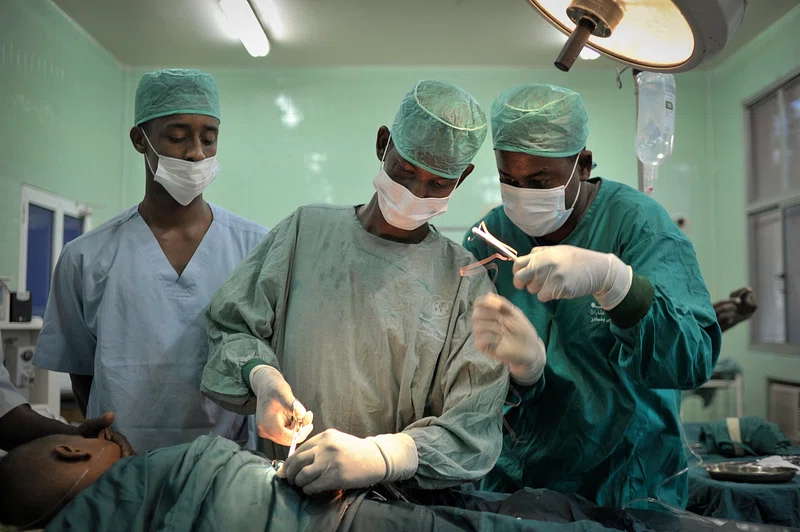
General surgeons support community health by evaluating surgical conditions, providing planned and emergency procedures, and guiding recovery. Their work helps patients access treatment for conditions that can affect daily life and long-term well-being. Here is a closer look at the impact of general surgeons on community health:
Responding to Surgical Emergencies
Some conditions develop quickly and need prompt attention. General surgeons evaluate patients who arrive at the emergency department with sudden abdominal pain, injuries, or infections. They review symptoms, order imaging and lab tests, and decide whether an operation is the appropriate next step. Common emergencies include appendicitis, bowel blockages, and gallbladder inflammation. When a patient needs urgent surgery, the surgeon explains the procedure, obtains consent, and coordinates with the anesthesia and nursing teams. This process keeps care organized in a time-sensitive situation and helps patients understand what happens next.
Treating Life-Disrupting Conditions
Some problems develop slowly and interfere with eating, working, exercising, or sleeping, and they often lead patients to seek a scheduled evaluation. General surgeons assess these conditions and discuss both surgical and nonsurgical options. The following are several conditions that surgeons commonly evaluate:
- Hernias: A hernia occurs when tissue pushes through a weak spot in the muscle wall, often in the groin or near the navel.
- Gallbladder disease: Gallstones can cause post-meal pain, nausea, and bloating.
- Colorectal conditions: Surgeons treat issues such as hemorrhoids, diverticulitis, and polyps in the colon or rectum.
- Breast conditions: Surgeons evaluate lumps, perform biopsies, and treat breast disease when surgery is the recommended option.
- Acid reflux: Some patients with long-term reflux that does not respond to medication meet with a surgeon to discuss procedures.
Expanding Local Healthcare Access
General surgeons often serve as the main surgical provider in small towns and rural areas. Patients in these regions may otherwise travel long distances for routine procedures, and travel adds time away from work and family. A local surgeon reduces these barriers, which allows patients to attend consultations, procedures, and follow-up visits closer to home.
Surgeons also work closely with primary care providers, gastroenterologists, oncologists, and radiologists. When a family physician identifies a concern, they refer the patient to a surgeon who already knows the local care network. This coordination can reduce the time from referral to treatment and keep medical records within a connected system.
Supporting Recovery and Patient Education
A surgeon’s role continues well beyond the operating room. General surgeons guide patients through preparation, recovery, and follow-up care, and they answer questions at each stage. Clear instructions help patients know what to expect and when to contact the office.
Guidance Before Surgery
Before a procedure, the surgeon explains why the operation is recommended, the steps involved, and the risks. Patients receive instructions about fasting and medication changes, and the office confirms arrival times. When patients understand these details, they arrive prepared, and the surgical team can proceed on schedule.
Guidance After Surgery
After surgery, the care team provides directions on wound care, activity limits, diet, and pain management. Follow-up appointments allow the surgeon to check healing, and patients use these visits to address concerns. If a patient experiences warning signs such as fever or increased swelling, the instructions explain whom to call and when.
Consult General Surgeons Today
Surgeons respond to emergencies, treat conditions that disrupt daily routines, and expand access to surgical care in local communities. They also guide patients through preparation and recovery, and they coordinate with other local providers. Contact a modern surgical practice in your area to schedule your consultation with general surgeons today.