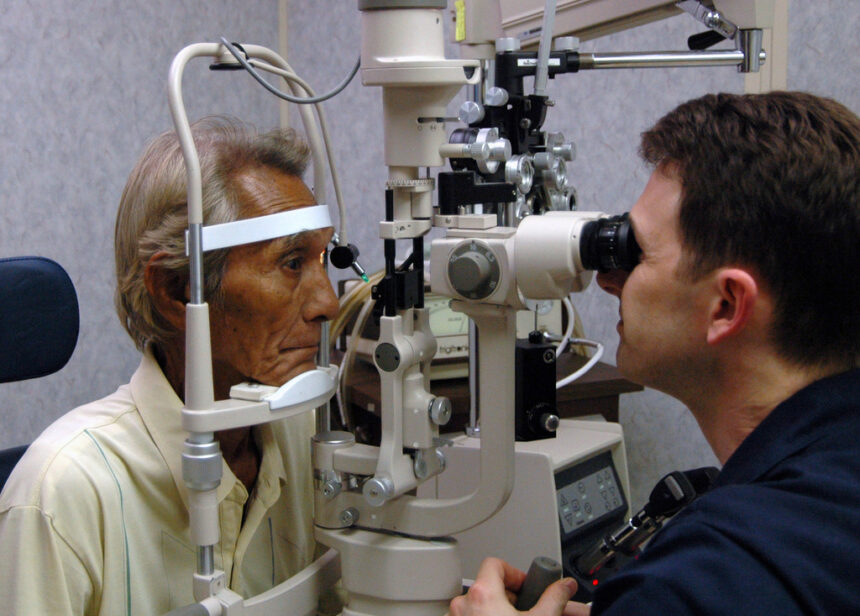
An ophthalmologist is a medical doctor who specializes in eye and vision care. These physicians perform comprehensive eye exams, diagnose eye conditions, and prescribe corrective lenses; they also perform surgery when needed. Unlike an optometrist, who focuses on routine vision checks, an ophthalmologist handles a broader scope of care. Here are some key signs and situations that warrant scheduling an appointment:
Noticing Vision Changes
Shifts in how you see are one of the clearest reasons to book an eye exam. You might notice blurry text when reading or have trouble recognizing faces across a room. Some people find themselves squinting at road signs or holding their phones farther away than usual; these small adjustments often signal a change. Watch for changes in one eye but not the other, as well as distortions like straight lines that look wavy. Keep a simple note of when you first noticed the change and how it has progressed; this record gives your ophthalmologist useful details during your visit.
Small specks or threads that drift across your vision, known as floaters, are common. A sudden increase in floaters or the appearance of flashes of light calls for prompt attention. Shadows or a curtain over part of your vision, sudden vision loss, double vision, or an eye injury all fall into this category, and each warrants immediate action. For any sudden or severe change, contact an ophthalmologist promptly or go to the emergency room. Quick action helps make sure you receive timely care, and it may prevent permanent damage.
Experiencing Eye Discomfort
Physical discomfort in or around your eyes deserves attention, especially when it lasts more than a day or two. Several symptoms are helpful to track and report to your provider, including:
- Persistent redness in one or both eyes
- Itching, burning, or a gritty sensation
- Unusual discharge or excessive watering
- Pain when moving your eyes
- Sensitivity to light that makes bright rooms or sunlight hard to tolerate
If over-the-counter eye drops or rest do not resolve these issues, contact an eye care professional. Contact lens wearers should be especially mindful of ongoing irritation; following your provider’s guidance on lens care is a fundamental step in protecting your eye health.
Recognizing Other Warning Signs
Regular headaches after reading, driving, or working on a computer sometimes relate to eye strain. You may notice tired eyes at the end of the day or have trouble focusing after long screen sessions. An ophthalmologist evaluates whether your current prescription still fits your needs. The 20-20-20 method can be a helpful habit; it involves looking at something 20 feet away for 20 seconds every 20 minutes.
Difficulty seeing in low light is another practical concern, particularly for drivers who notice glare or halos around headlights. Some people find it harder to adjust when moving from a bright space into a dark one; this shift can affect daily safety. Mentioning these changes at your next exam gives your provider the full picture.
Some situations call for routine eye exams even without noticeable symptoms. If you have diabetes, high blood pressure, or take certain long-term medications, your primary care doctor may recommend regular visits. A family history of eye conditions and advancing age are also key factors that providers take into account.
Consult an Ophthalmologist
Vision changes, eye discomfort, sudden visual shifts, and underlying health factors are all reasons to see an ophthalmologist. An expert can diagnose and treat conditions such as glaucoma and dry eye disease, and routine exams help protect your long-term eye health. If you notice changes in your vision, schedule an appointment, write down your symptoms, and bring a list of your current medications.