Eye doctor follow-ups confirm that treatments such as cataract surgery, eye drops, or laser procedures are working as intended. These appointments let the doctor monitor healing, and they also provide an opportunity to adjust medications. Early detection of complications is another benefit. Patients who attend scheduled follow-ups may experience better long-term outcomes. Here is more information on follow-ups after eye treatments:
What Is an Eye Doctor?
An eye doctor, or ophthalmologist, is a licensed medical professional trained to diagnose and treat eye and vision conditions. Ophthalmologists perform eye surgery, and they prescribe medications. They also manage complex eye diseases such as glaucoma, cataracts, and retinal disorders. Because ophthalmologists oversee both treatment and recovery, they play a central role in long-term eye health and in monitoring a patient’s progress after a procedure.
What Treatments Do They Offer?
Eye doctors offer a range of treatments depending on the condition being addressed. Options include:
- Red light therapy: Uses low-level wavelengths to reduce inflammation and support cellular repair in certain retinal conditions.
- Eye drops: Are prescribed for glaucoma, infections, dryness, and post-surgical care.
- Selective laser trabeculoplasty (SLT): Uses targeted laser energy to improve fluid drainage and lower eye pressure in patients with glaucoma.
- Cataract surgery: Removes a clouded lens and replaces it with an artificial one, restoring clarity to vision.
Each treatment requires a different recovery timeline and comes with its own follow-up schedule.
What Do Follow-ups Involve?
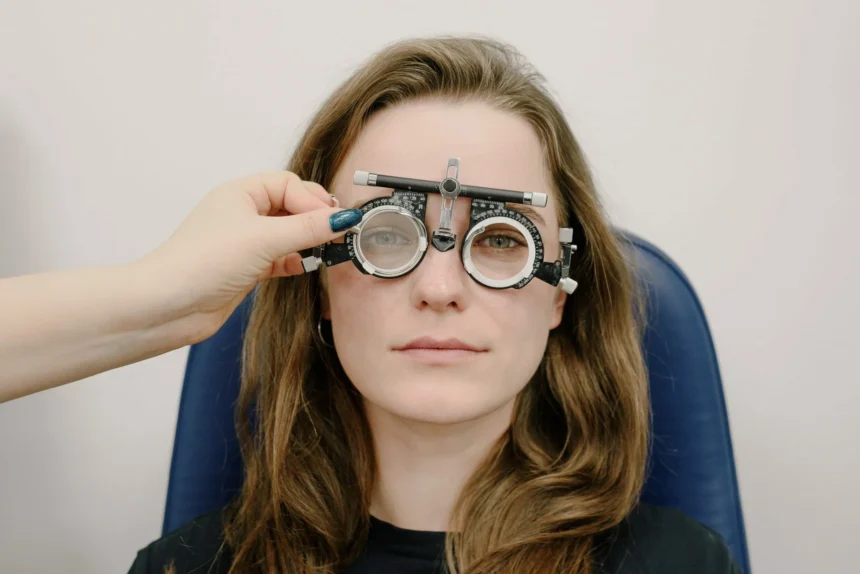
A follow-up appointment begins with a review of symptoms since the last visit, and the eye doctor measures visual acuity. They also check eye pressure. For surgical patients, the doctor inspects the incision site, which helps them confirm healing is progressing without infection or inflammation.
Patients using eye drops after SLT or cataract surgery may be asked about adherence to their medication schedule. If progress stalls, the doctor may adjust dosages, switch prescriptions, or recommend additional treatments. Follow-ups after red light therapy focus on symptom reduction. The doctor assesses how the patient’s condition has responded; this assessment determines whether additional sessions are needed.
How Are Follow-ups Beneficial?
Follow-up visits give the doctor a chance to catch complications before they permanently affect vision. Conditions like elevated eye pressure after SLT or infection after cataract surgery can develop without obvious symptoms, so professional monitoring is necessary. Regular check-ins also allow timely adjustments to the treatment plan, which can shorten recovery time and improve comfort during healing. Because every patient heals differently, the doctor evaluates each case individually.
Follow-ups create a record of how a patient responds to treatment over time, which helps the eye doctor make informed decisions about future care, whether that means extending a drop regimen or scheduling a repeat laser session. Patients who attend every follow-up appointment may report better treatment outcomes than those who miss visits. Consulting an eye care professional helps determine when a follow-up is needed.
Schedule a Follow-up Now
Eye doctor follow-ups confirm treatment is working, and they help catch issues early. Whether the original treatment was cataract surgery, SLT, eye drops, or red light therapy, a follow-up appointment allows the doctor to track healing, fine-tune medications, and address complications before they escalate. If a follow-up appointment is due or overdue, contact an eye doctor to schedule it. Consistent monitoring gives the eyes a chance at a full, lasting recovery.