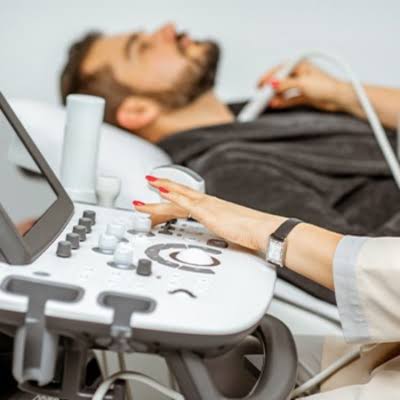
Diagnostic imaging plays a central role in modern medical care. Ultrasound technology is used for examining internal structures because it does not involve radiation exposure. When choosing an ultrasound clinic, review staff credentials, equipment quality, and available services; choosing the right provider affects both result accuracy and the overall testing experience. Here is more information on what an ultrasound clinic does, the services commonly offered, and the factors patients should evaluate before booking an appointment:
What Is an Ultrasound Clinic?
An ultrasound is a non-invasive imaging procedure. It uses high-frequency sound waves to produce images of structures inside the body. A sonographer applies a gel to the skin, and then moves a handheld device, called a transducer, over the area being examined. When the transducer emits sound waves, they reflect off organs, tissues, and fluids, and a computer converts these echoes into real-time images. Because ultrasound does not use ionizing radiation, it is generally safe for use during pregnancy and for repeated examinations.
An ultrasound clinic is a medical facility that specializes in diagnostic imaging using sound wave technology. Sonographers at these clinics operate specialized equipment; this equipment captures real-time images of organs, tissues, and blood flow. Physicians rely on these images to diagnose conditions ranging from gallstones to pregnancy complications, which makes the clinic a valuable part of the diagnostic process.
What Services Do They Offer?
These clinics provide a range of imaging services tailored to different medical needs. Types of ultrasounds include:
- Pelvic
- Breast
- Thyroid
- General
- Carotid
- Testicular
Patients should confirm that a clinic performs the specific scan their physician ordered before scheduling.
How Is a Clinic Chosen?
Choosing a clinic typically starts with a physician referral; patients may be able to choose among several approved providers. Location and appointment availability factor into the decision. Because wait times and travel distances vary, patients benefit from researching a clinic’s website to learn more. Consulting a professional helps match the right clinic to each patient’s needs.
What Factors Should Be Evaluated?
Several factors distinguish one ultrasound clinic from another beyond basic availability. Staff credentials matter. Equipment quality also affects image resolution and diagnostic accuracy; older machines may produce less detailed images. Patients can ask clinics about the equipment they use, especially for complex scans, because newer systems often provide greater clarity. Equipment age alone does not determine scan quality.
Communication practices are also worth evaluating; clinics that clearly explain the exam process, answer preparation questions, and deliver results within a reasonable timeframe create a smoother patient experience. Turnaround times vary between facilities. If timely access to results matters, choose a clinic with transparent communication, and confirm the expected timeline before booking.
Seek Professional Guidance Today
Selecting an ultrasound clinic involves more than choosing the nearest option; staff credentials, equipment quality, service offerings, and communication practices all shape the diagnostic experience. Patients who evaluate these factors are better positioned to receive accurate, timely results. If you are preparing for an upcoming ultrasound, reach out to your healthcare provider. Contact an ultrasound clinic and ask specific questions about staff certifications and equipment.