
A concussion can happen when a sudden blow, bump, or jolt causes the head and brain to move rapidly back and forth. This causes a mild traumatic brain injury that temporarily affects how the brain functions. Some common causes include falls, sports injuries, car accidents, and physical assaults, and they can stretch and damage brain cells. To support recovery effectively, many people are exploring hyperbaric oxygen therapy as part of post-concussion care. Here’s information on the impact of oxygen therapy for post concussion rehabilitation:
What Hyperbaric Oxygen Therapy Is
Hyperbaric oxygen therapy (HBOT) involves breathing pure oxygen inside a pressurized chamber; this increased pressure allows the lungs to take in more oxygen. The HBOT system delivers more oxygen than the body can get at normal atmospheric pressure, helping oxygen travel more efficiently throughout the body. Oxygen therapy has been used for decades to address conditions such as decompression sickness and certain slow-healing wounds. Researchers are studying its potential applications for a wider range of situations, including brain-related injuries.
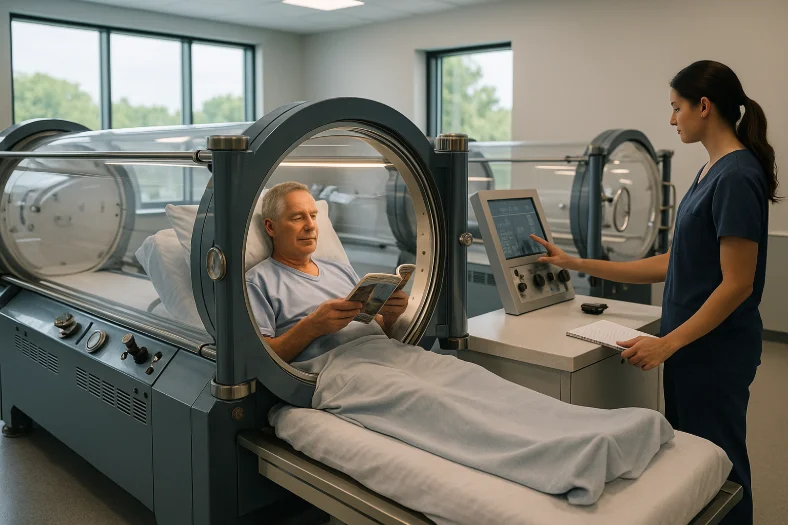
A hyperbaric chamber is a sealed enclosure that regulates air pressure. Once a person enters, the pressure gradually increases to a set level, and the individual breathes concentrated oxygen. Hyperbaric chambers come in different sizes, ranging from units designed for one person to larger models that accommodate several people at once. Hyperbaric oxygen therapy for post concussion care is used to promote healing in brain tissues to reduce concussion-related symptoms.
How It Benefits Concussion Recovery
Oxygen plays a fundamental role in how the body repairs itself, so neurologists have examined its relevance to brain recovery. During post-concussion care, tissues may require additional support as the brain restores normal function. By increasing oxygen delivery to these areas, HBOT may complement standard recovery approaches for some people. Some studies suggest that increased oxygen availability supports cellular activity in areas that need to heal. Results vary between individuals, and outcomes depend on many factors.
What To Expect From Sessions
A typical HBOT session takes place inside the chamber, where a person may sit or lie down while breathing the pressurized oxygen. Many people read, rest, or listen to audio during the session to pass the time. Once the treatment ends, the pressure returns to normal, and the individual can resume their usual daily activities.
Sessions are personalized based on each person’s needs, medical history, and the advice of their care team. Because every recovery is different, some individuals will need more hyperbaric chamber treatments than others to support their healing. A neurologist evaluates a person’s progress and adjusts the treatment schedule accordingly, so the total number of sessions varies by person.
Consistency often matters in these plans, so providers may recommend sessions spaced across several weeks. This structured approach allows the care team to monitor how a person responds over time. Regular check-ins help make sure the plan remains appropriate for the individual. Recovering from a concussion is a gradual process that depends on many individual factors, but a neurologist can assess someone to determine their rehabilitation needs.
Try Oxygen Therapy for Post Concussion
Hyperbaric oxygen therapy is one option some people explore as part of a broader post-concussion care plan. Understanding what the treatment involves, how the chamber works, and what to expect during a session can help you know what to expect. Because each recovery is unique, the number and frequency of sessions will differ from person to person based on professional advice. If you have recently received a concussion, contact a neurologist to review your condition and get personalized advice.