
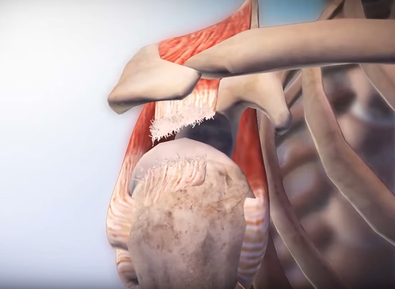
Your rotator cuff holds your shoulder together, and it performs a lot of daily work. A tear happens when one of these tendons rips, either partly or fully. When this occurs, you may feel pain, weakness, and limited movement. Here are some of the symptoms and causes of a rotator cuff tear:
Rotator Cuff Tear Symptoms
Rotator cuff tear symptoms can vary widely, but they often interfere with everyday tasks like lifting or reaching. You might notice persistent shoulder pain. If left untreated, these symptoms may worsen over time and lead to increased discomfort and limited mobility.
Pain and Weakness
Pain typically shows up first, and it tends to worsen at night. A dull ache sits deep in the shoulder when you rest. Since the tendon carries less load, lifting your arm feels harder than it used to. You might notice weakness when you reach overhead or behind your back.
Movement Problems
Some tears limit motion, and others create odd sounds during activity. You may hear a click when you rotate the joint. If the tear grows over time, simple tasks like combing your hair get tougher. Getting dressed becomes slow, and you compensate with your other arm.
Since the shoulder guards against pain, muscles around it tighten and lose strength. Stiffness adds another layer to these symptoms, and it builds gradually. Your range shrinks day by day. This pattern points to a tear that needs attention.
Rotator Cuff Tear Causes
A tear can happen suddenly due to an injury, and this includes lifting something too heavy. Over time, wear and tear from repetitive motions or aging are typical culprits. If left untreated, these causes may work together to worsen the damage, leading to more pain and limited mobility.
A single accident sometimes tears the tendon, and the damage feels immediate. You lift something heavy, and the pain hits at once. As the force overwhelms the tendon fibers, they snap under pressure. Falls onto an outstretched arm also cause this type of tear.
Age wears the tendon down, and repeated motion speeds up the process. Small strains add up across many years. As blood flow to the tendon drops as you age, healing slows, and tissue weakens. Painters, carpenters, and athletes face higher odds from constant overhead reaching. Watch for these warning signs:
- Night pain that disrupts sleep
- Weakness when lifting
- Clicking during movement
- Loss of arm strength
Factors That Apply
Certain factors raise your risk, and knowing them helps you plan ahead. Age and job type both play large roles. Since these details shape your outlook, tracking them gives your doctor useful information. Major risk factors include:
- Natural aging
- Repetitive overhead work
- Genetic history of shoulder problems
- Past shoulder injuries
Some habits make matters worse, and small changes reduce that pressure. Poor posture strains the joint daily.
Address a Rotator Cuff Tear Today
A shoulder tear affects sleep, work, and daily tasks, and the signs rarely fade on their own. Early attention typically makes treatment simpler. Since pain and weakness point to tendon damage, a proper exam gives you clear answers. Book an appointment with an orthopedic specialist and get your shoulder checked today.