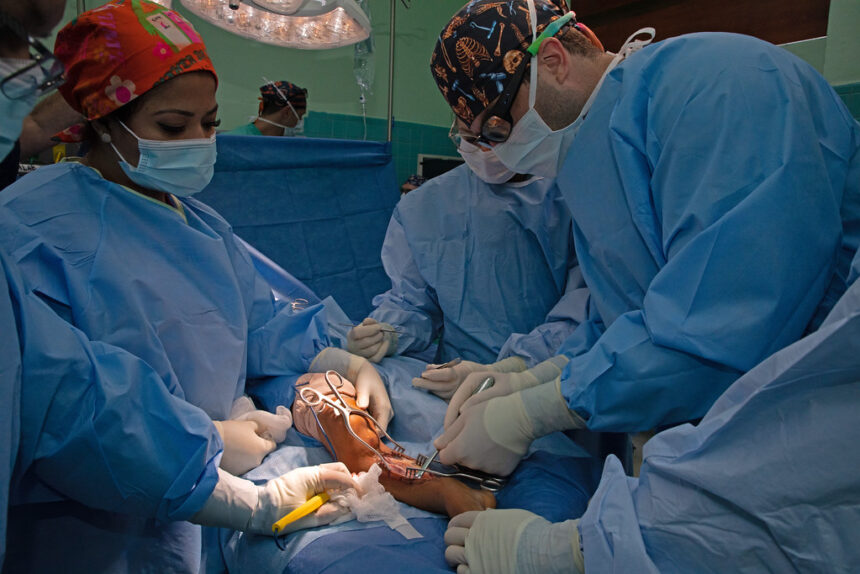
Orthopedic surgeons diagnose and treat problems in bones, joints, ligaments, tendons, and muscles, and people see one after a sports injury, a fall, or years of joint pain. Some patients need surgery, while others start with nonsurgical care such as bracing or physical therapy. Patient-centered care shapes each of these steps around your goals and health history:
Shared Decision-making
Your orthopedic surgeon explains the medical options, and you share your priorities, concerns, and limits. Together, you weigh the likely risks, recovery time, and logistics of each choice. This process works well when you arrive with questions written down. The list below offers a starting point.
- What happens if I wait or choose no treatment?
- What nonsurgical options fit my condition?
- How long does recovery usually take?
- Which activities will I need to limit, and for how long?
- What are the main risks of this procedure?
You may also bring a family member to appointments. A second person typically remembers details that you miss during the visit. You have the right to ask for more time, and you may seek a second opinion before any surgery.
Individualized Treatment Plans
When you visit an orthopedic surgeon, the first appointment typically focuses on your history and symptoms. Your surgeon may review imaging, test your range of motion, and ask about your work and hobbies. Two people may have the same diagnosis, yet their treatment plans may look different. The plan then reflects both your diagnosis and your daily demands.
A retired teacher may want to garden without pain, and a college athlete may want to return to competition. These goals affect the timing of treatment because recovery demands differ for each person. Age, bone density, weight, and other health conditions also play a role. Your surgeon uses these details to set realistic expectations.
Your plan may change over time. Some patients improve with injections or therapy, and others move toward surgery later. If your symptoms shift, your surgeon may adjust the plan during follow-up visits.
Less Invasive Techniques
Arthroscopy uses a small camera that the surgeon inserts through a few tiny incisions. The camera sends images to a screen, and the surgeon uses thin tools to repair the joint. Surgeons use this method on knees, shoulders, hips, and ankles. Recovery after arthroscopy still requires rest, follow-up visits, and physical therapy.
Smaller incisions may mean less tissue disruption, but results vary from person to person. Your surgeon will explain whether this option suits your injury, anatomy, and goals. For spine surgery, options like spinal fusion and reconstructive procedures aim to address structural issues or instability in the spine. These approaches may be recommended for conditions like degenerative disc disease or serious spinal deformities.
Coordinated Referrals
Orthopedic care involves other specialists who address different parts of your recovery. Your surgeon acts as a central point of contact. Referrals may go to several providers, and each one shares updates with your care team. Typical referrals include the providers below.
- Physical therapists for strength and mobility
- Primary care doctors for health issues that affect surgery
- Specialized radiologists for imaging such as MRI or CT scans
- Occupational therapists for daily tasks like dressing or cooking
Book an Orthopedic Surgeon Appointment
If joint pain, stiffness, or an injury affects your daily routine, an orthopedic evaluation offers a starting point. Bring your medical history, medication list, and any past imaging results. Write down your goals before the visit, and share them early in the conversation. Contact an orthopedic clinic to schedule an appointment with a surgeon.