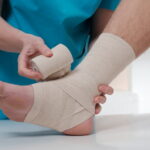

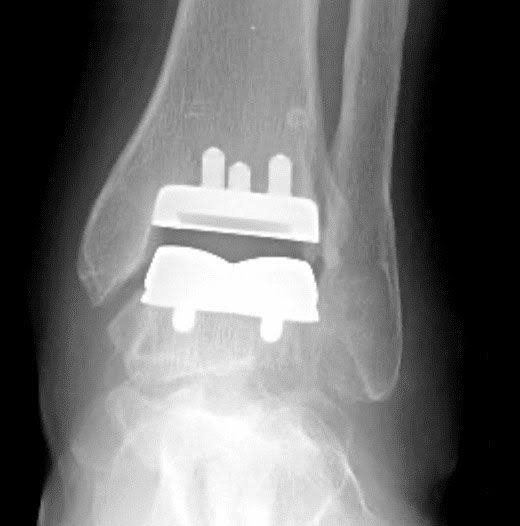
Ankle replacement surgery replaces a damaged joint with an artificial one, and surgeons perform this procedure to reduce pain and restore movement. It may follow years of arthritis or injury. If your ankle has stopped responding to other treatments, your doctor might suggest this option. This is how you can prepare for this procedure and be ready on surgery day:
Clear Walkways at Home
You will use crutches or a walker after surgery, and tight spaces make movement harder. Walk through each room and look for obstacles that block your path. If needed, remove throw rugs, loose cords, and clutter that could cause a fall.
Since your balance will feel different after an ankle replacement procedure, set up a clear route to your bathroom and bedroom. Keep the path wide, and add a nightlight for late trips. A tidy floor may lower your risk of tripping during recovery.
Stock Up on Food
When you cannot drive or stand for long, grocery trips get difficult. Buy enough food to last two or three weeks, and store items within easy reach. Frozen meals, canned goods, and simple snacks work well during this stretch.
Prepare a few meals in advance if you have time before surgery. Since reaching high shelves may hurt, move daily items to counter level. A stocked kitchen means fewer trips, and it may cause less strain on your healing ankle.
A well-planned kitchen setup saves effort, and it also helps you focus on healing, which is vital during the initial recovery phase. Stocking up on food before your surgery is straightforward and can ease your tasks. While pre-cooking meals may take extra time now, it makes sure you have nutritious options ready to enjoy without overexertion.
Review Current Medications
Your surgeon needs a full list of what you take, and this includes supplements. Since some medications raise your risk of bleeding, your doctor may pause them before surgery. Write down each drug, its dose, and how often you take it.
Bring this list to your pre-surgery appointment. Since certain blood thinners affect the procedure, your care team will give you clear timing instructions. Follow those directions closely, and ask questions if anything feels unclear.
Keep these details ready for your medical team:
- Prescription drugs and doses
- Over-the-counter medicines
- Vitamins and herbal supplements
- Any known allergies
An accurate list helps your surgeon plan a safer procedure, and it can help avoid interactions. To do this, share updates if your medications change before the date.
Quit Smoking
Smoking slows healing, as it reduces blood flow to your tissues. Nicotine narrows your blood vessels, and this affects how bone and skin recover. Talk to your doctor about a plan to stop before your surgery date.
Set a quit date, and remove cigarettes and lighters from your home. Since cravings hit hardest in the first days, prepare a few coping strategies ahead of time. Some tools that help include:
- Nicotine patches or gum
- Support hotlines or apps
- Routine to distract from cravings
Every day without smoking supports your recovery. Even a short break before surgery makes a difference, so start as early as you can.
Schedule an Ankle Replacement Consultation
Preparation begins with a clear conversation about your ankle and your goals. During a consultation, your surgeon reviews your history, and they explain what the procedure involves. As every ankle is different, your surgeon will tailor advice to your situation. Contact an orthopedic clinic today to book your ankle replacement consultation.