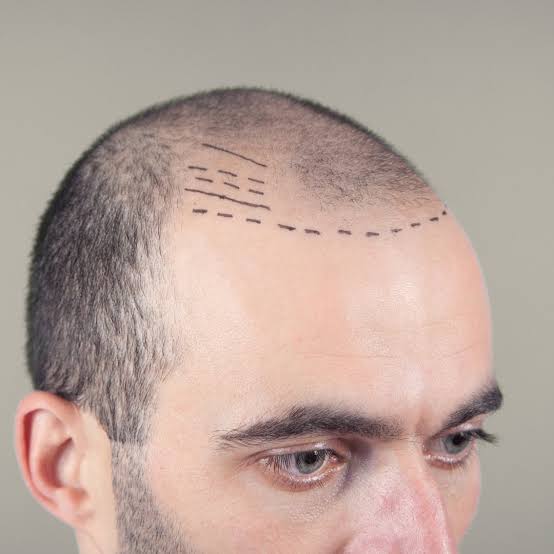
Because each patient’s needs differ, the best hair transplant method depends on the extent of hair loss, the amount of donor hair available, and the patient’s individual goals. Follicular unit extraction (FUE) suits patients seeking minimal scarring and shorter recovery times, while follicular unit transplantation (FUT) works well for those who need more grafts in a single session. Here is more information on the hair transplant methods available and how to choose one:
What Is a Hair Transplant?
A hair transplant is a surgical procedure that moves hair follicles from one part of the scalp to areas experiencing thinning or baldness; the region from which follicles are taken is called the donor area. Surgeons typically harvest follicles from the back or sides of the head. Hair growth in these regions may remain stable over time, which makes them reliable sources for transplantation. The relocated follicles continue producing hair in their new location, creating a more even distribution across the scalp. The best hair transplant method depends on several factors, which a specialist will assess.
What Is the Best Hair Transplant Method?
Since hair transplant techniques differ in their harvesting methods, follicular unit transplantation (FUT) and follicular unit extraction (FUE) are two options that patients may discuss with a qualified provider. Each approach achieves the same goal of relocating hair follicles, but they differ in how they extract them. This affects scarring, recovery time, and the number of grafts that can be transplanted in a single session.
FUT involves removing a strip of scalp tissue from the donor area, and the strip is then divided into individual follicular units for transplantation. This method lets surgeons harvest many grafts at once. It suits patients with extensive hair loss. It leaves a linear scar, which is typically concealed by surrounding hair.
FUE takes a different approach. Surgeons extract individual follicles directly from the scalp using a specialized tool, which eliminates the need for a strip incision, and this results in small, scattered scars rather than a single continuous line. Recovery may be faster. The procedure may take longer because the surgeon removes each follicle one at a time.
What Does the Process Involve?
Both methods follow a similar structure, beginning with a consultation and ending with aftercare instructions. The surgeon first examines the scalp. This examination maps the donor and recipient areas, and it guides the rest of the procedure. Local anesthesia numbs the scalp before extraction begins, so patients remain awake but do not feel pain during the procedure.
Once the follicles are harvested through either strip removal or individual extraction, the surgical team prepares them for transplantation. Each follicle is then placed into a tiny incision made in the balding area. The incisions follow a pattern designed to mimic natural hair growth direction and density, and the team adjusts the placement as needed. Aftercare affects the final outcome. Patients may receive guidance on cleaning the scalp, avoiding strenuous activity, and protecting the transplanted area from sun exposure.
How Is a Method Chosen?
Several factors guide the decision between FUT and FUE, including:
- Extent of hair loss
- Scarring preferences
- Recovery timeline
- Donor hair quality
A specialist evaluates these factors during a consultation.
Consult a Specialist Today
FUT and FUE each offer distinct advantages depending on the patient’s hair loss pattern, donor supply, and recovery preferences; understanding how these methods differ helps patients set realistic expectations. A hair restoration specialist can assess scalp condition, donor hair availability, and personal goals to recommend the method suited to a particular case. If you experience hair loss, schedule a consultation today.