

Cosmetic surgery helps alter physical features and enhance appearance. Because eligibility for a procedure can depend on your health, goals, and expectations, a consultation with a surgeon is a key step. During this appointment, a surgeon reviews your medical history and discusses realistic outcomes before moving forward. Here is the role of patient education in successful cosmetic surgery:
Establish Surgical Expectations and Goals
Having realistic expectations helps you prepare for the surgical process and understand potential outcomes. Your surgeon will explain the procedure, discuss possible results, and provide recovery information during the consultation. Asking questions and requesting clarification can help make sure your expectations align with the anticipated surgical outcome. Learning about these outcomes also helps you understand how treatment decisions are made before surgery begins.
Patient education explains how your anatomy influences the final result after healing. Because each procedure has specific benefits and limitations, results can vary based on surgical techniques and individual factors. Rhinoplasty reshapes the nose, but it does not create identical results for every patient. Breast reduction changes breast size while helping address physical discomfort related to excess breast tissue. These examples help explain why expected outcomes differ from one person to another.
Talking with your surgeon clarifies what you hope to accomplish with your surgery. These discussions include your medical fitness, treatment options, and recovery process, and they help determine which procedures are appropriate for your goals. This communication continues after surgery through regular follow-up visits and progress evaluations. During these appointments, your surgeon reviews your recovery, addresses new questions, and monitors your healing. These discussions help guide post-operative care and make sure your recovery progresses according to the planned surgical outcome.
Learn About Different Procedures
When you understand how different cosmetic procedures work, you can compare available treatment options before making a decision. Patient education explains the purpose of each procedure, and it outlines how surgical techniques vary based on the area being treated. Learning how preparation and recovery differ between procedures helps you select an option that aligns with your goals.
Surgeons may discuss the following topics before cosmetic surgery:
- Non-surgical treatments: Compare injectable treatments and other non-surgical options with surgical procedures to understand the available approaches.
- Surgical techniques: Learn how different procedures reshape or enhance specific areas of the body.
- Procedure preparation: Review pre-operative instructions, medical evaluations, and medication adjustments before surgery.
- Anesthesia information: Understand the type of anesthesia recommended for your planned procedure.
- Procedure differences: Learn how recovery time, incision placement, and expected results can vary between procedures.
Prepare for the Recovery Process
Recovery education provides information about what to expect after surgery, and it explains the significance of each phase of the healing process. Recovery guidelines vary depending on the procedure performed. Your surgeon can provide instructions that match your specific treatment. Understanding your recovery plan helps you arrange transportation, daily assistance, and necessary care after surgery. These instructions may also include details about:
- Activity limitations
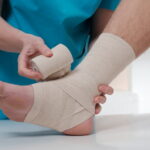
- Wound care
- Pain management
- Follow-up appointments
Understand Potential Risks
Learning about surgical risks helps you understand how different factors may influence healing after a cosmetic procedure. Patient education explains potential complications while reviewing the steps used to reduce those risks. During your consultation, your surgeon reviews your medical history to identify health conditions or medications that may affect recovery. Lifestyle habits also influence the healing process after a procedure. Smoking and not following recovery instructions sometimes delay tissue healing and increase the risk of complications. Your surgeon will also explain warning signs that require medical attention, so potential concerns can be addressed promptly throughout recovery.
Learn More About Cosmetic Surgery
Patient education helps you understand treatment options, recovery expectations, and the factors influencing surgical outcomes. Learning about procedures before surgery supports informed discussions with your surgeon while preparing you for each stage of recovery. Once you understand the information shared during consultations, treatment decisions become more personalized to your goals. Schedule a consultation today to learn more about cosmetic surgery and discuss the procedure that aligns with your treatment objectives.