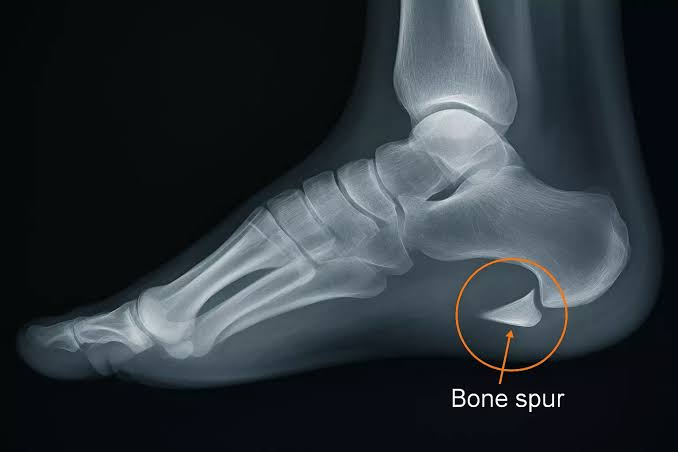
Heel pain is a broad term for discomfort that occurs at the back, bottom, or sides of the heel. It can affect people of all ages and activity levels, and the causes vary widely. Podiatrists are foot and ankle specialists who evaluate and treat this type of discomfort. Here are some questions and answers about heel pain:
What Causes Heel Pain?
Heel pain can have many underlying causes. Several conditions commonly affect this area of the foot, and each presents differently depending on the individual. Possible contributors include:
- Plantar fasciitis, which affects the tissue running along the bottom of the foot
- Achilles tendon strain located near the back of the heel
- Heel spurs, which are bony growths on the heel bone
- Stress from repetitive activity, footwear choices, or walking surfaces
Because each cause behaves differently, a thorough assessment plays a fundamental role in connecting your specific situation to a likely source. A provider reviews your history and activity patterns, which helps narrow down the contributing factors.
When Should Someone Seek Care?
Many cases of heel pain respond well to rest and straightforward adjustments, but some situations require professional input. Recognizing the difference helps you take the proper steps at the right time. Schedule a visit with a provider if the pain persists beyond a couple of weeks, worsens progressively, or begins to limit your daily activities.
Reach out if you notice swelling that doesn’t subside; difficulty walking or sudden-onset pain without a clear cause can also be concerning. Your provider will review details such as location and intensity to determine a suitable treatment path. Acting early keeps your options open and your care plan on track.
A standard assessment begins with a conversation about your activity level, footwear habits, and when the discomfort tends to appear. Your provider uses this background to guide the physical examination, during which they check the heel and surrounding area for tenderness and structural details. Imaging such as an X-ray or ultrasound can provide a clearer view of the bone and soft tissue; these steps help build an accurate picture of your situation.
What Are the Treatment Options?
Treatment varies based on the underlying cause your provider identifies, and the approach is tailored to your specific profile. Some plans begin with conservative measures, which are helpful starting points for a broad range of cases. These may include:
- Rest
- Structured stretching routines
- Supportive footwear
- Orthotic inserts
- Physical therapy
If conservative measures don’t produce the desired results, your provider may discuss additional options. These sometimes involve targeted injections or shock wave therapy, depending on your circumstances. Daily habits also play a meaningful role in supporting your overall plan. Choose supportive footwear that fits well and suits your activity level. Give your feet regular breaks during extended periods of standing or walking, and follow any stretching guidance your provider recommends. Paying attention to how different surfaces and shoes affect your heel helps you make practical adjustments between appointments.
Partner With an Experienced Podiatrist
Heel pain stems from a variety of causes, and it can lead to chronic discomfort if not properly addressed. Foot and ankle specialists treat this pain with solutions such as custom orthotics, night braces, and nerve decompression therapy. If heel discomfort is disrupting your routine, schedule a consultation with a qualified provider to discuss your situation and create a tailored treatment plan.