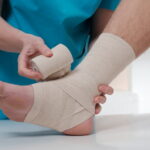


Plantar fasciitis is a cause of heel pain that can affect mobility and make everyday activities uncomfortable. Effective plantar fasciitis treatment focuses on reducing pain and relieving inflammation through various approaches. Here are some common treatment options for plantar fasciitis:
Managing Pain at Home
Rest is often the first plantar fasciitis treatment; it gives inflamed tissue time to settle. When you reduce activities that strain your feet, you lower the repeated stress that keeps the plantar fascia irritated. Short breaks throughout the day, combined with gentle care, can make daily movement more manageable. Several home care methods pair well with rest, and each one targets discomfort in a specific way. Here are some of them:
- Ice application: Rolling your foot over a frozen water bottle for 15 minutes may ease swelling after activity.
- Activity modification: Swapping high-impact exercise for swimming or cycling reduces pressure on your heel while you stay active.
- Stretching breaks: Gentle calf and foot stretches keep tissue flexible and support recovery between rest periods.
Wearing Proper Footwear
Footwear directly affects how your feet feel each day, and the wrong shoes can worsen strain. Supportive shoes cushion your heel and distribute pressure evenly across your foot. When you choose the right pair, you give your plantar fascia a more stable foundation with every step.
Look for shoes with firm arch support, a cushioned sole, and a slightly raised heel. Flat and worn-out shoes offer little protection, and they often increase discomfort over time. Replacing footwear before it breaks down keeps support consistent, which matters when you spend long hours standing or walking.
Improving Mobility
Physical therapy is a plantar fasciitis treatment that focuses on restoring movement and building strength in the muscles that support your feet. A therapist guides you through targeted exercises that address tightness in the calf and arch. Regular practice can improve flexibility, which lowers strain on the plantar fascia. Therapy programs often combine several techniques. Here are some of them:
- Stretching routines: Calf and plantar fascia stretches can lengthen tight tissue and improve range of motion.
- Strengthening exercises: Toe curls and heel raises build muscle support around the foot and ankle.
- Manual therapy: A therapist’s hands-on techniques may loosen stiff tissue and improve circulation.
Supporting Feet With Orthotics
Orthotics are custom or over-the-counter inserts that fit inside your shoes. They redistribute pressure, support your arch, and cushion your heel during movement. When your foot receives consistent support, the plantar fascia may face less repeated stress throughout the day.
Custom orthotics match your unique foot structure, and a foot specialist makes them after examining your gait and arch. Over-the-counter versions offer a more general fit, though they still provide added support for some people. The right choice depends on your symptoms, activity level, and foot mechanics. A professional fitting makes sure the inserts match your needs and correct any imbalance.
Explore Plantar Fasciitis Treatment Options
Plantar fasciitis treatment combines rest, supportive footwear, physical therapy, and orthotics to reduce pain and restore movement. Home care offers a starting point, while professional guidance refines your approach when symptoms persist. Orthotics play a key role by supporting proper alignment, reducing strain, and alleviating discomfort. Contact a qualified foot specialist near you to schedule your appointment and explore available treatments for plantar fasciitis today.