

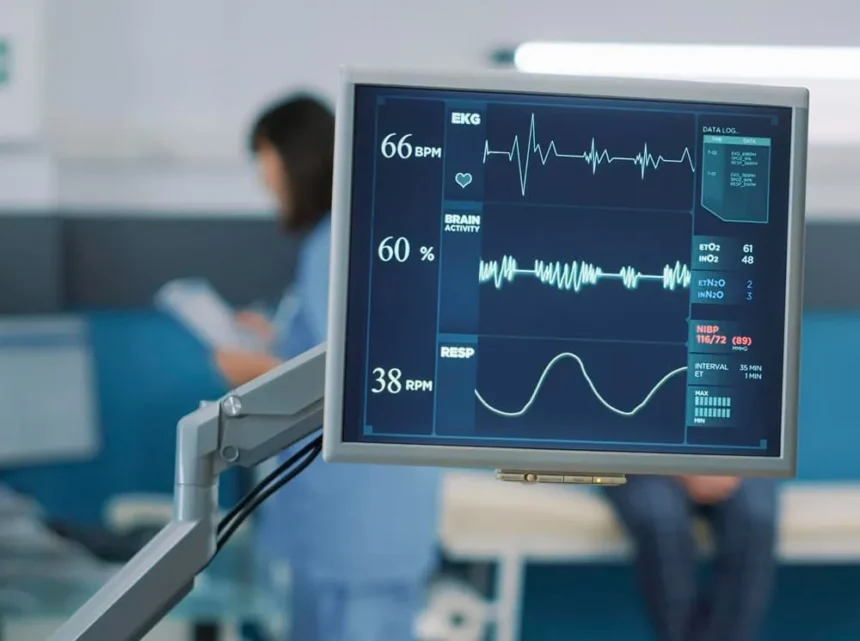
Cardiologists focus on the heart and blood vessels, and they diagnose conditions and treat problems that affect your body. When you visit one, you meet a specialist trained to spot cardiovascular issues early. Here is more information on several services these doctors provide:
Echocardiography and Ultrasounds
An echocardiogram uses sound waves to create images of your heart. The test is painless, and it shows your doctor how well your heart pumps. Since the images appear in real time, your cardiologist can watch the valves move, and this helps them spot problems with blood flow.
Ultrasound scans also check the vessels in your neck and legs. When a technician runs the probe across your skin, the machine records clear pictures. These scans measure blood flow, and they reveal narrowed arteries. Your doctor reviews the results with you afterward. Typical reasons for an echocardiogram include:
- Shortness of breath
- Irregular heartbeats
- Chest discomfort
Implants and Pacemakers
A pacemaker is a small device placed under the skin near your chest. It sends electrical signals, and those signals keep your heartbeat steady. When your natural rhythm slows down, the device steps in. Your doctor programs it to match your needs.
Some patients receive an implantable defibrillator instead. This device watches your rhythm, and it delivers a shock if your heart races dangerously. Since the surgery is minor, you typically go home within a day. Your cardiologist checks the device during follow-up visits.
The procedure to implant these devices is typically quick and involves minimal discomfort, making it a manageable step toward better heart health. You will receive instructions on how to care for the implant site after surgery. While the devices work automatically, regular check-ups ensure they are functioning properly and meeting your specific needs.
Stent Placement
A stent is a tiny mesh tube that holds a narrowed artery open. Your doctor guides it through a thin catheter, and the tube expands at the blocked spot. As plaque builds up over time, arteries grow stiff and narrow. A stent restores the passage for blood.
The procedure is called angioplasty, and it uses a small balloon to widen the vessel. Your cardiologist inserts the catheter through your wrist or groin. When the balloon inflates, it presses the plaque against the wall. The stent stays in place permanently. Doctors may recommend a stent after these findings:
- Blocked coronary artery
- Reduced blood flow during a stress test
- Current symptoms of angina
The catheter site typically heals quickly, and most you might resume light activity soon. Since the treatment is standard, your care team explains each step. You ask questions before the appointment.
Vein Ablation
Vein ablation treats damaged veins that no longer move blood well. The doctor uses heat or laser energy, and that energy seals the faulty vein shut. When one vein closes, blood reroutes to healthier ones. Your body adapts naturally.
This treatment helps with varicose veins and related swelling. The procedure is quick, and it uses only local anesthesia. Since the cuts are tiny, you avoid a long hospital stay. Your cardiologist marks the treatment area beforehand with ultrasound.
Visit a Cardiologist Today
Cardiologists offer services that target a specific heart or vessel problem, and each starts with a careful exam. When you notice symptoms like chest pain or fatigue, a specialist reviews your history. Book an appointment with a cardiologist to discuss your concerns. Call your local heart clinic today, and ask what tests fit your situation.