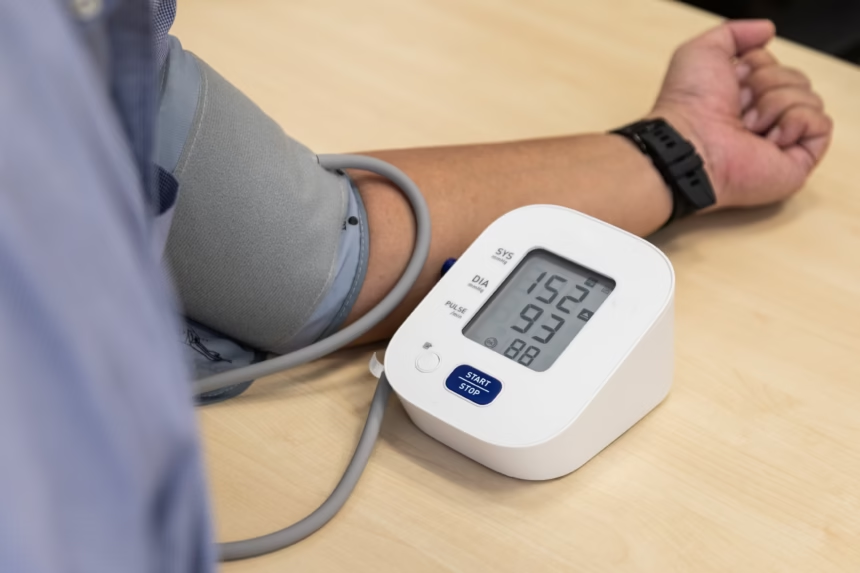
Hypertension, or high blood pressure, affects people of all ages. Medication can play an important role in treatment, but diet and lifestyle changes help form the foundation of effective blood pressure management. Understanding how daily lifestyle choices influence blood pressure allows you to take an active role in protecting your cardiovascular health.
Diet and Lifestyle Connection
Blood pressure reflects the force of blood against the artery walls as the heart pumps. When blood vessels are affected, they contract or stiffen, increasing fluid volume and straining the heart. Poor dietary patterns, physical inactivity, excess weight, alcohol consumption, and tobacco use can all impact heart health. Chronic stress may also affect blood pressure and blood vessel health.
Sodium and Potassium Intake
Sodium and potassium work in balance to regulate fluid levels and blood vessel function. Excess sodium causes the body to retain water, increasing blood volume and raising blood pressure. Potassium helps counteract this effect by prompting the kidneys to excrete sodium and by relaxing blood vessel walls.
Limit sodium to no more than 2,300 milligrams per day, with an ideal target of 1,500 milligrams for most adults with hypertension. Most dietary sodium comes from processed and restaurant foods rather than table salt. Reducing sodium intake can be achieved by reading nutrition labels and putting less salt in home-cooked meals.
Effective strategies for managing sodium intake include:
- Reading nutrition labels and selecting products marked “low sodium” or “no salt added”
- Preparing meals at home with fresh ingredients
- Seasoning food with herbs, spices, citrus, and vinegar instead of salt
- Limiting processed meats, canned soups, frozen meals, and salty snacks
- Choosing potassium-rich foods such as bananas, potatoes, spinach, beans, avocados, and yogurt
Some medications can interfere with vitamins and supplements. Some illnesses and conditions may interfere with potassium consumption, so discuss options with a hypertension specialist before making dietary changes. Discuss any medications you take with your doctor before beginning any vitamin or other health regimen.
Physical Activity Increase
Regular physical activity strengthens the heart, allowing it to pump blood with less effort, reducing pressure on the arteries. Regular exercise can lower systolic blood pressure. Aim for moderate-intensity aerobic activity per week, such as brisk walking, cycling, or swimming.
Resistance training performed two or more days per week offers additional benefits. If you have been inactive, begin gradually and increase duration and intensity over time. Consistency is essential, as blood pressure improvements diminish when regular exercise stops. Create a physical activity plan with your hypertension or cardiovascular specialist.
Weight Management
Excess body weight increases the workload on the heart and can make hypertension worse. Modest weight loss can produce meaningful results. If you are overweight or obese, work with your specialist to create a sustainable weight loss and management plan.
Visiting a Hypertension Specialist
Lifestyle changes are most effective when guided by a qualified medical professional. A cardiologist or hypertension specialist can evaluate your cardiovascular health and identify underlying causes of elevated blood pressure. Your specialist can then develop a treatment plan tailored to your needs, combining lifestyle modifications with medication when necessary.