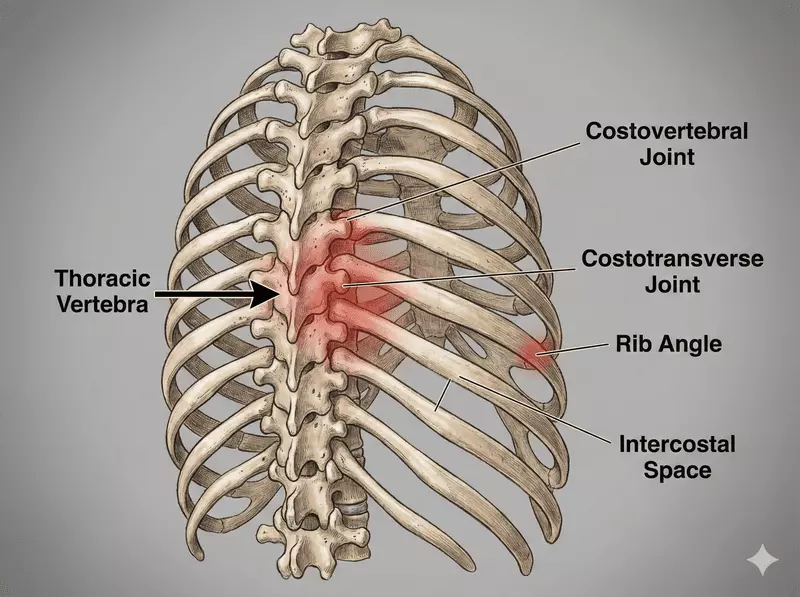
Chest pain can stem from cardiac conditions, digestive issues, or musculoskeletal strain. While cardiac causes include angina, heart attacks, and pericarditis, non-cardiac sources range from acid reflux to rib injuries. Diagnosis depends on symptom pattern, duration, and accompanying signs; treatment ranges from lifestyle changes to medication or surgery depending on the underlying cause. Here is more information on what chest pain is, what triggers it, how it affects daily routines, and which treatments doctors recommend:
What Is Chest Pain?
Chest pain refers to discomfort felt anywhere between the neck and upper abdomen, and it can feel sharp, dull, burning, or like pressure. While some patients may describe tightness or a squeezing sensation, others notice pain that spreads to the arms, jaw, or back. The sensation is either brief or persistent.
Doctors classify this pain by its likely source; this classification guides both testing and treatment. A cardiologist typically starts by reviewing the pain’s timing, intensity, and triggers. Before ordering further tests, the cardiologist uses this initial assessment to narrow the diagnostic focus, which helps determine the most appropriate course of action.
What Causes It?
Cardiac causes include coronary artery disease, angina, heart attacks, and pericarditis. Angina occurs when the heart muscle doesn’t receive enough oxygen-rich blood, and it may appear during exertion. A heart attack happens when blood flow to part of the heart is blocked completely, which causes tissue damage. Pericarditis involves inflammation of the sac surrounding the heart and tends to cause sharp pain that worsens with breathing, although intensity varies between patients. Each cause has distinct patterns, and clinicians use these patterns to narrow the diagnosis.
How Is Daily Life Affected?
Chest pain affects daily routines in several ways, including physical, sleep-related, and social:
- Reduced physical activity: Patients may avoid exercise to prevent symptom triggers.
- Sleep disturbances: Sleep problems may occur, particularly when pain worsens at night or while lying flat.
- Disrupted work and social activities: Some patients may cancel plans due to unpredictable flare-ups.
What Are the Treatment Options?
Treatment depends on the identified cause, and healthy lifestyle changes form the foundation for managing some cardiac and non-cardiac conditions. These changes include regular physical activity and a diet lower in saturated fat and sodium. Smoking cessation and stress management techniques are also recommended, as they address contributing factors that can worsen symptoms over time.
Prescription medications target specific conditions. A cardiologist selects them based on the diagnosed cause. Nitrates and beta-blockers help reduce angina symptoms by easing the heart’s workload. Antiplatelet drugs lower the risk of clot formation, while proton pump inhibitors treat acid reflux-related pain. When conservative measures aren’t enough, surgery may be necessary.
Consult a Cardiologist
Chest pain has many possible sources, and distinguishing between them calls for professional evaluation. A cardiologist can run tests such as an EKG, stress test, or imaging study to confirm the underlying cause. If you are experiencing new, severe, or worsening chest pain, seek medical attention without delay. Scheduling a consultation with a cardiologist can provide a diagnosis and a treatment plan suited to your needs.