
IVF is a medical process that can be challenging physically and emotionally. Each person’s experience differs; preparation helps organize the cycle. Planning ahead provides structure, while learning what to expect gives you a clearer approach to treatment and the waiting period.
Planning Your IVF Cycle
Planning starts before an IVF cycle begins. Review your calendar and work schedule before scheduling treatment; avoid major work deadlines or family obligations during the cycle. Because fertility problems can create a sense of lost control, planning ahead gives you more structure; it allows time to prepare for treatment.
Review instructions from your medical team about physical activities, medications, and dietary supplements. Ask your doctor questions well in advance; make needed adjustments before treatment starts. When you understand how to communicate with your medical team, you have a clear way to address concerns; you have more information throughout the cycle.
Managing IVF Stress
Different coping techniques work at different points in IVF treatment. During preparation, get organized and ask questions, but during the stimulation period, follow the instructions provided by your medical team. When the waiting period begins, distraction provides a coping technique that can shift your attention away from the wait, and focusing on work, hobbies, or other interests gives you something else to focus on.
Calm activities provide another option. Quiet walks, supportive friends, favorite foods, reading, and relaxing activities can fill the day; these activities provide distractions during difficult periods. Because different activities work at different points in treatment, having several options provides flexibility; it gives you ways to manage the waiting period.
Communication with the medical team also matters. Learn who to contact with different types of questions, and ask your doctor about concerns before treatment begins. When you know how to communicate with your medical team, you have a clear way to seek information, and that preparation helps you address questions during the cycle.
Exploring IVF Options
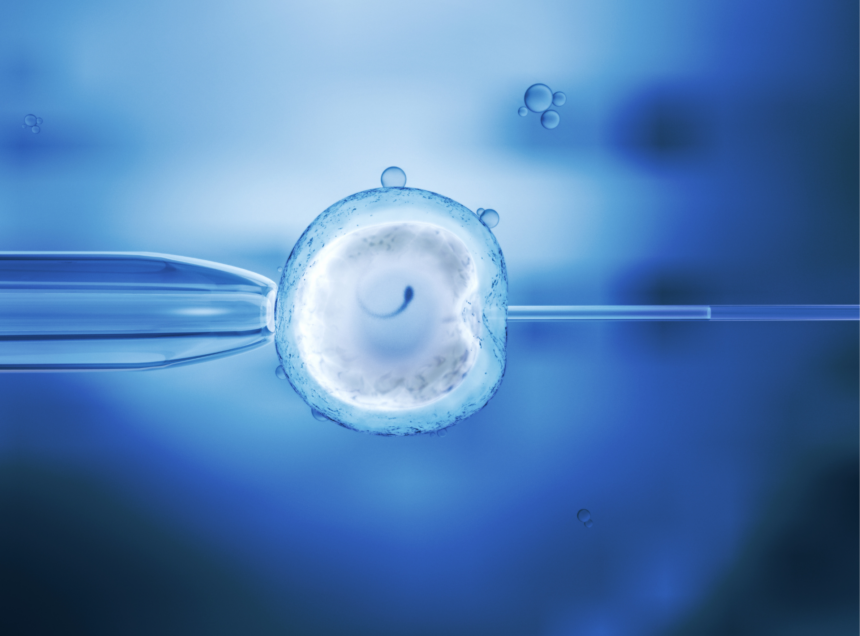
Traditional IVF uses external incubation equipment. Eggs and sperm are collected, and fertilization occurs in a petri dish within an incubator in the IVF laboratory. Effortless IVF uses an INVOcell device instead; fertilization and early embryo development occur inside the body after sperm and eggs are combined within the device.
The INVOcell remains in place for five days. After five days, the device is removed, and embryos are checked for viability; the healthiest embryo is placed in the uterus for potential implantation. Because Effortless IVF uses the INVOcell instead of external incubation equipment, the process involves fewer office visits and no blood work compared with traditional IVF.
Several factors are listed for potential Effortless IVF candidates. These include normal to high egg counts, mildly decreased sperm counts or motility, unexplained infertility and donor sperm use. Women with a prior tubal ligation or fallopian tube blockage also appear among the listed candidates; women below age 45 are included as well.
Prepare for Your IVF Cycle
Preparation involves planning, communication and stress management. Review treatment instructions, organize your schedule and decide who to tell about treatment, and learn how to communicate with your medical team. When you prepare for different stages of the IVF process, you have practical ways to manage the cycle, and you have a plan for coping with disappointing results.