A gynecologist specializes in the female reproductive system. They provide preventive care, diagnose conditions, and treat concerns of the uterus, ovaries, breasts, and related organs. Understanding the role a gynecologist plays at each stage of life can help you make decisions and seek appropriate care when needed.
Teen Years
Young women have their first gynecological visit between the ages of 13 and 15. This initial appointment typically does not include a pelvic exam. Instead, it focuses on education, open conversation, and building a trusted relationship with a physician.
During adolescence, gynecologists help young patients understand menstruation and recognize what is typical. They offer confidential guidance about contraception, sexually transmitted infections, and healthy relationships. These early conversations give teens accurate information and the confidence to ask questions about their bodies.
Pregnancy/Parenthood Years
The reproductive years involve decisions about whether, when, and how to start a family. Many gynecologists are also trained as obstetricians, and they guide patients through each phase of this process with personalized care. Write down your concerns about your reproductive health to address them fully with your doctor.
Before conception, a gynecologist can review your medical history, recommend prenatal vitamins containing folic acid, and address concerns about pregnancy. If conception proves difficult, your physician can evaluate potential causes of infertility and refer you to a fertility specialist. Throughout these years, gynecology supports women in several important ways:
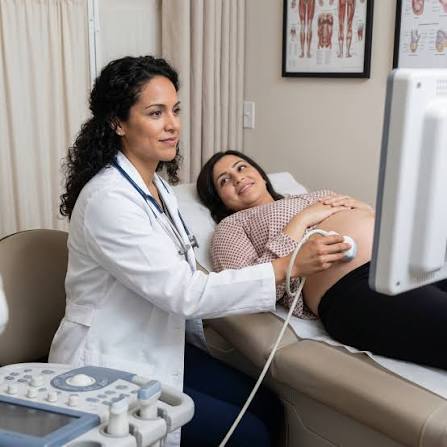
- Prenatal care: Regular appointments monitor the health of both mother and baby through screenings, ultrasounds, and blood pressure checks.
- Labor and delivery: Obstetricians manage vaginal and cesarean births and respond to complications as they arise.
- Postpartum recovery: Follow-up visits address physical healing, breastfeeding challenges, and pelvic floor concerns.
- Mental health support: Physicians screen for postpartum depression and anxiety and connect patients with appropriate resources.
- Family planning: Gynecologists help women select contraception that aligns with their goals after childbirth.
Routine Pap tests and breast exams remain essential during this stage, whether or not a woman chooses to have children. If any Pap tests or breast exams come back abnormal, further testing may be requested. Your gynecologist will go over treatment and testing options with you as needed.
Perimenopause/Menopause
Perimenopause, the transition leading up to menopause, often begins in a woman’s forties, although it may start earlier. During this time, estrogen and progesterone levels fluctuate. These shifts may cause irregular periods, hot flashes, night sweats, sleep disturbances, and mood changes.
Gynecologists help women manage these symptoms with a range of treatments. Hormone therapy can relieve hot flashes and vaginal dryness for appropriate candidates. Nonhormonal medications and lifestyle adjustments offer alternatives for women who cannot or don’t wish to use hormones. Your physician will weigh the benefits and risks of each option based on your personal health history.
Visit Your Gynecologist
Your health needs will continue to evolve, and a gynecologist can provide the expertise and compassionate care you need at every stage. Annual wellness visits allow your physician to detect concerns early, update screenings, and answer questions before minor issues become problems. Schedule an appointment with your gynecology specialist today to take care of your reproductive health.