
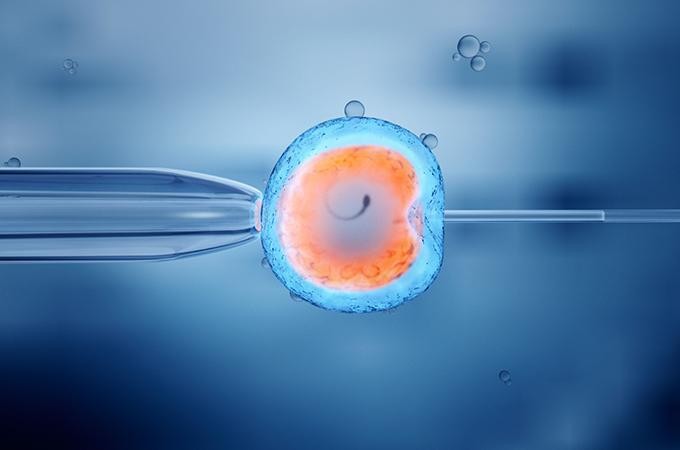
In vitro fertilization (IVF) is a fertility treatment where eggs and sperm are combined outside the body, and doctors then transfer a resulting embryo into the uterus. If you are starting this process, your daily habits play a role, and small changes shape your overall readiness. Here is more information on lifestyle areas that connect to fertility care:
Balanced Diet
Food gives your body the building blocks it needs during IVF treatment. A steady eating pattern supports hormone balance, and it keeps your energy consistent through appointments. When you plan meals around whole foods, you reduce spikes in blood sugar that affect how you feel. Certain nutrients are helpful in fertility conversations. Aim to include these in your weekly meals:
- Leafy greens and beans for folate
- Various fish or nuts for omega-3 fats
- Whole grains for steady energy
Optimal Body Weight
Body weight influences hormone levels, and hormone levels affect ovulation and cycle timing. Your doctor may measure your body mass index during an early visit. Reaching a weight range your provider suggests takes time, though steady progress matters more than speed.
Movement and food work together here. Walking most days is a manageable start, and it pairs well with balanced meals. Since sudden crash diets stress the body, gradual shifts tend to hold up better through a treatment cycle. Ask your clinic what target range fits your situation.
Current Tobacco Use
Tobacco use touches many parts of reproductive health. Smoking affects egg quality, and it also lowers sperm count in men. When you stop using tobacco before treatment, you remove one variable that complicates your care.
Quitting is hard, and many people need several attempts before it sticks. Support options exist, and your provider can point you toward them:
- Nicotine replacement products
- Quit programs
- Prescription medications
Choosing one of these tools gives you structure, and structure helps during a stressful time. Share your tobacco history openly, because your care team plans treatment around accurate information. Honesty here shapes the guidance you receive.
Adequate Sleep
Sleep regulates the hormones tied to your cycle. Poor rest raises stress hormones, and elevated stress hormones interfere with reproductive signals. If your nights feel short or broken, your body works harder to stay in balance.
Building a routine helps more than trying to have a perfect night. Since caffeine lingers for hours, cutting it after early afternoon supports deeper rest. Go to bed at a set time, and keep screens out of the bedroom.
Track how you feel across a few weeks, and note patterns in your energy. When you spot recurring problems, bring them to your provider. A short conversation about sleep sometimes reveals issues worth addressing before treatment begins.
Schedule IVF Treatment Near You
These four areas connect to fertility health, and together they form the daily foundation your care team builds on. Diet, weight, tobacco use, and sleep each give you a place to start. Small, steady adjustments add up over the weeks leading into treatment. Contact a clinic today to book a consultation, and bring your questions about lifestyle and IVF.