

A gastroenterologist treats conditions of the digestive system, and this includes the esophagus, stomach, intestines, liver, and pancreas. These doctors complete years of specialized training, and they use specialized tools to examine your digestive tract. When symptoms point to a specific area, your doctor selects a matching procedure. Here are some procedures they might perform:
Upper Endoscopy
An upper endoscopy examines your esophagus, stomach, and upper small intestine. Since the scope carries a small camera, your doctor views the lining on a screen. The team gives you sedation first, and you rest quietly during the exam.
A gastroenterologist can use this procedure to find several problems, and a short list makes the reasons clear:
- Ongoing heartburn or acid reflux
- Difficult time swallowing
- Unexplained upper abdominal pain
In some cases, your doctor may take a small tissue sample during the exam. This step helps identify inflammation, infection, or other changes. The procedure is typically quick, and you recover in a monitored area.
Standard Colonoscopy
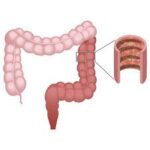
A colonoscopy helps the doctor examine the full length of your colon. The doctor guides a flexible scope through the large intestine, and this happens while you rest under sedation. To keep the view clear, you follow a cleansing prep the day before.
Doctors screen for colon cancer with this procedure, and they also remove small growths called polyps. When a polyp appears, the doctor takes it out during the same visit. The removed tissue then goes to a lab for review. This proactive approach identifies potential concerns early and may reduce the need for additional procedures later.
Endoscopic Ultrasound
Endoscopic ultrasound combines a scope with sound-wave imaging, and the device produces detailed pictures of organs near your digestive tract. Since the images show deep layers, your doctor studies structures that a standard scope misses. This procedure helps assess the pancreas, bile ducts, and nearby lymph nodes. The doctor may collect a tissue sample with a thin needle, and the lab examines that sample later. You receive sedation throughout the exam.
Rubber Band Ligations
Rubber band ligation treats internal hemorrhoids, and it’s a simple procedure. The doctor places a small elastic band around the base of the hemorrhoid. Since the band cuts off blood flow, the tissue shrinks and falls off within days.
This procedure takes only a few minutes in the office. You stay awake, and most people return to normal activity soon after. For some patients, mild pressure or discomfort may follow for a short time.
The doctor often treats one hemorrhoid per session. Repeat visits handle additional areas when needed, and the schedule depends on your symptoms. Your doctor explains the timing before you begin. Your doctor will also provide aftercare instructions to support healing and reduce potential discomfort.
Schedule a Gastroenterologist Consultation
A gastroenterologist matches each procedure to your specific symptoms. When digestive issues persist, a consultation gives you clear answers about the next step. Your doctor reviews your history and explains which exam fits your situation. Call a gastroenterology office today to book your appointment. They walk you through the preparation, and a team can answer your questions before the visit.