

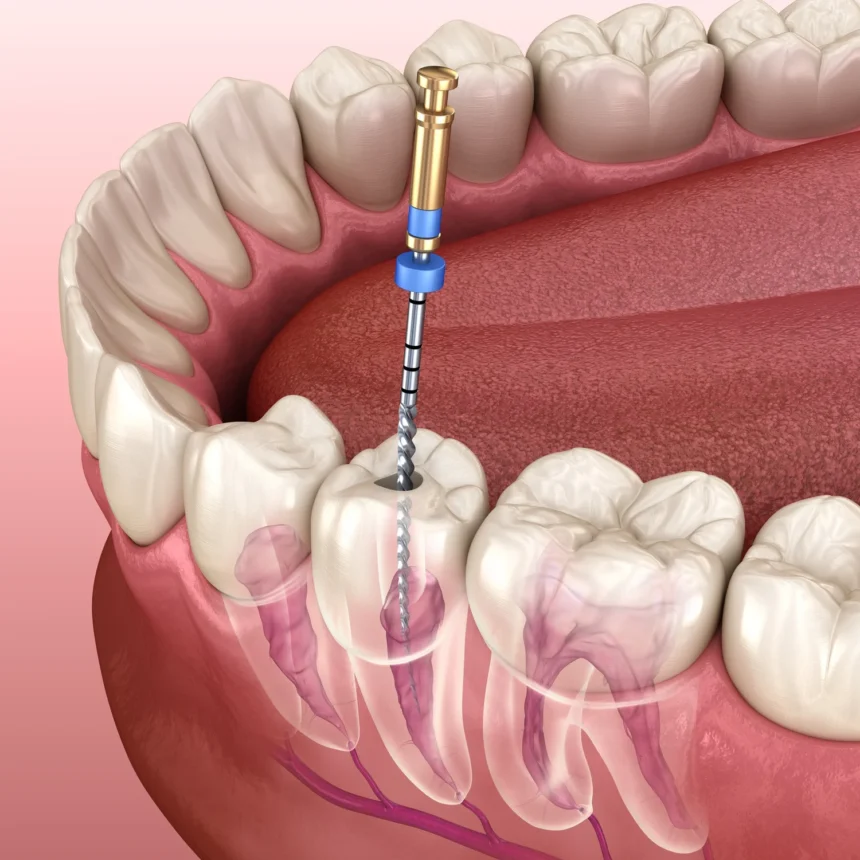
A root canal becomes necessary when the pulp, the soft tissue inside a tooth, is infected or inflamed; common signs include persistent tooth pain, sensitivity to hot and cold temperatures, swollen gums, and visible darkening of the tooth. A dentist removes the damaged pulp, cleans the canal, and seals the tooth so that further infection is prevented. Recognizing the signs early can help a patient preserve their natural tooth. Here is more information on what root canal treatment involves and who typically requires it:
What Is Root Canal Treatment?
A root canal is a dental procedure that treats infection or damage inside a tooth’s pulp. The pulp contains nerves, blood vessels, and connective tissue; these components keep a tooth alive during early development. Once a tooth matures, it no longer depends on the pulp for survival, because the surrounding tissue continues to supply nourishment.
When performing root canal treatment, a dentist removes the diseased pulp, disinfects the empty canal, and fills it with a biocompatible material. A crown or filling is placed afterward to restore strength and function. Without this intervention, bacteria have the potential to spread beyond the tooth into the jawbone, and this can lead to abscesses or bone loss.
Who Needs It?
Several symptoms suggest pulp damage and the need for a root canal evaluation, including:
- Persistent pain that worsens while chewing or prolonged sensitivity to hot or cold beverages
- Swelling near the gum line or a tooth that has darkened, which may reflect a dying nerve
- Deep decay, cracked teeth, or a history of repeated dental procedures on the same tooth
A dentist confirms the diagnosis through X-rays and a physical examination before recommending an appropriate course of treatment.
What Does the Process Involve?
Root canal treatment may span a couple of appointments, depending on the complexity of the case. The dentist first numbs the area, and a small opening is created in the tooth to access the pulp chamber. Once the chamber is accessible, specialized instruments remove the infected tissue so that the canal can be shaped and cleaned in preparation for filling.
Gutta-percha, a rubber-like material, seals the cleaned canal to prevent bacteria from re-entering. A temporary filling covers the tooth until a permanent crown or filling is placed, which protects the treated area during recovery. Patients may experience mild soreness for a few days, and over-the-counter pain relievers help manage discomfort.
How Is Professional Guidance Beneficial?
Diagnosing pulp damage takes more than a visual check, and dentists rely on multiple diagnostic tools to accurately assess the extent of infection. Digital X-rays may be used. Because these methods provide a detailed view of the tooth’s interior, they help identify problems that a basic examination may miss, potentially reducing the likelihood of unnecessary procedures. Proper sealing and sterilization techniques are key to long-term success, and professional guidance helps minimize complications.
Visit a Dentist Today
Tooth pain that lingers, worsens with pressure, or comes paired with swelling deserves prompt attention; waiting too long can turn a manageable infection into a more serious dental problem, including tooth loss. A dentist can determine whether a root canal, filling, or another treatment fits your specific situation. If you have more questions, schedule an appointment with a dental professional. Early diagnosis may lead to simpler treatment and a better long-term outcome for your natural tooth.