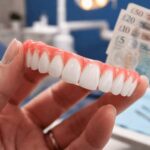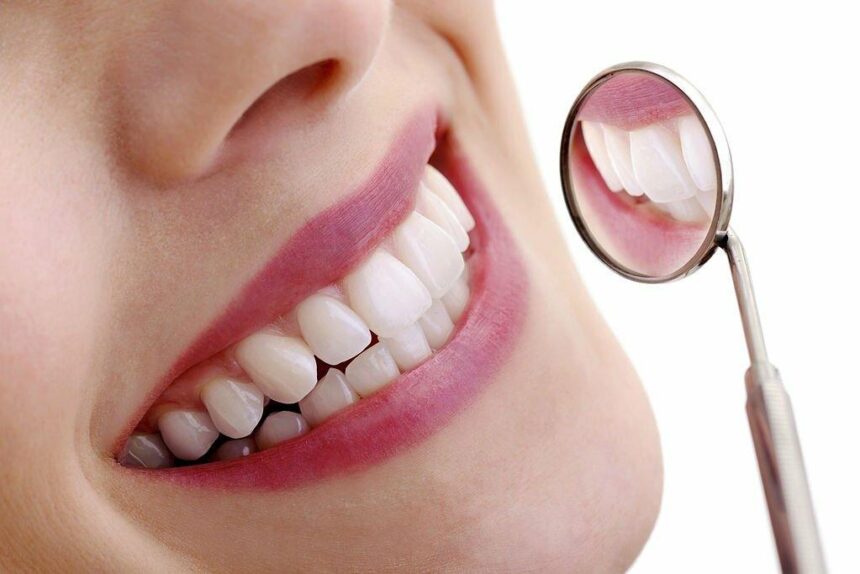
Veneers can improve the appearance of teeth by covering concerns such as discoloration, minor chips, gaps, or uneven shape. Some patients may experience temporary tooth sensitivity after treatment, especially when the teeth are exposed to hot, cold, or sweet foods and drinks. Here’s more information on what to expect from tooth sensitivity after veneers:
Why Does Sensitivity Happen?
Sensitivity often appears after the placement of veneers, and the cause relates to how the treatment works. A dentist removes a small layer of enamel to fit the veneer, and this step can briefly expose the tooth to temperature changes. The adhesive and the bonding process may also contribute, though the feeling usually settles as the tooth adjusts. You may notice a reaction to hot drinks or cold air, but this response reflects normal healing rather than damage.
What Sensitivity Is Normal?
Sensitivity varies from person to person, and recognizing typical patterns helps you track your recovery. Two common forms appear after veneers, and each tends to fade within a predictable window. Here is an overview of what some patients experience.
Temperature Sensitivity
Temperature sensitivity shows up when you eat or drink hot or cold foods. You may feel a brief and sharp response that often lasts only a few seconds. This reaction is common in the first few days after placement, and it usually decreases as the tooth stabilizes. Keep a note of how long the feeling lasts because consistent tracking gives your dentist useful detail.
Pressure Sensitivity
Pressure sensitivity appears when you bite or chew firm foods. The tooth may feel tender under force, and softer meals often reduce the response during early recovery. This form tends to ease once your bite adjusts to the new surface. If the tenderness continues beyond the expected window, a quick check can confirm the fit.
How Does One Reduce Discomfort?
Changes to your daily routine can lower discomfort while your teeth adjust to veneers. Try the following habits, and track which ones give you relief:
- Choose lukewarm foods and drinks: Extreme temperatures trigger the sharpest reactions, so neutral options can reduce the strain during recovery.
- Use a soft-bristled toothbrush: Gentle brushing cleans the surface without adding pressure, and it protects the gumline near the veneer.
- Try a desensitizing toothpaste: These formulas can calm temperature responses over time, though results build gradually with regular use.
- Avoid very hard foods early on: Firm foods increase pressure on the tooth, so softer meals help during the first days.
When Should You Seek Care?
Most sensitivity fades on its own, but some signs require a professional check. Sharp pain that lingers for weeks falls outside the typical pattern, and a dentist can review the fit and bonding. You may also notice veneers that feel loose or a bite that seems uneven; report these details early. Prompt contact lets your dentist address the cause, and it keeps your treatment on track. Track specific details before your appointment because clear information speeds up the review. Note when the sensitivity started, how long each episode lasts, and which foods or temperatures trigger it.
Schedule Your Veneers Appointment Today
Veneers reshape the look of your smile, and mild sensitivity after placement is normal during adjustment. Watch for signs that require a dentist’s review, and tracking details will prepare you for that conversation. Contact a qualified dentist near you to schedule your veneers appointment today.