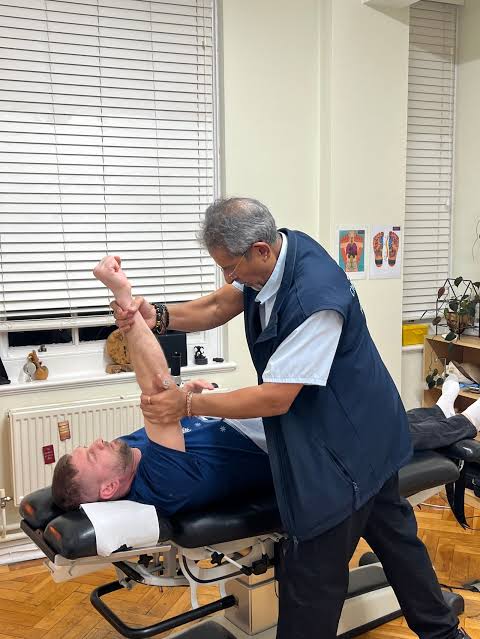
Elbow pain can develop from overuse, repetitive movements, injury, or strain affecting the muscles, tendons, and joints around the elbow. Strengthening exercises and proper movement techniques may improve stability and reduce stress on the joint. Here are ways to strengthen your elbows and reduce pain:
Build Elbow Strength
The forearm, wrist, and upper arm muscles work together to support the elbow joint. When these muscles weaken, the joint and its tendons may absorb more strain during daily tasks, leading to elbow pain. Targeted exercises can help you build support; a physical therapist tailors the program to your needs. Start with light resistance.
Strengthen the Forearm and Wrist
The forearm muscles attach near the elbow, so they play a key role in grip and wrist movement. Wrist curls and reverse wrist curls with a light dumbbell can target these muscles, and grip squeezes with a soft ball offer another option. Stop any exercise that causes sharp pain.
Train the Upper Arm
The biceps and triceps control how the elbow bends and straightens. Light biceps curls and triceps extensions can build balanced strength, and resistance bands provide a gentle alternative to weights. A stable shoulder can lower the load on the elbow when you lift or reach.
Improve Flexibility and Motion
Range of motion describes how far a joint moves in each direction. Tight muscles and tendons can restrict movement, place extra tension on the elbow, and cause elbow pain. Gentle stretches help keep the joint moving through its full path.
Wrist flexor and extensor stretches lengthen the muscles on both sides of the forearm. To perform them, extend your arm, bend the wrist up or down, and use your other hand to apply light pressure for 15 to 30 seconds. Forearm rotations, in which you turn the palm up and then down, are also helpful. Complete these stretches after a short warm-up when the muscles feel loose, and avoid bouncing or forcing any position.
Adjust Daily Activities
Repetitive motions place constant stress on the elbow, and small changes can reduce that load. Set your keyboard and mouse at elbow height so your wrists stay level. Take a short break at set intervals when your work involves typing, gripping tools, or lifting. These pauses give the muscles and tendons time to recover. Technique also matters during sports and household chores. A racket with the wrong grip size can strain the forearm, so ask a coach or pro shop to check your equipment and form.
Seek Care When Needed
Home strategies may help with mild discomfort, but some elbow pain symptoms require an orthopedic evaluation. A specialist will examine the joint and order imaging if needed. They can then discuss conservative or surgical options. Contemplate scheduling a visit if you notice any of the following signs:
- Pain that lasts more than a few weeks: Symptoms that do not improve with rest and activity changes may need a closer look.
- Swelling, warmth, or bruising: These signs may follow an injury or point to inflammation in the joint.
- Numbness or tingling: Sensations in the ring and little fingers may indicate pressure on a nerve near the elbow.
- Limited movement: Difficulty fully bending or straightening the arm may affect work and daily routines.
- A pop at the time of injury: A popping sound followed by weakness requires prompt attention.
Address Your Elbow Pain Today
Elbow pain can stem from various causes, including overuse injuries, tendon strains, or nerve compression. Don’t ignore early signs such as persistent discomfort, limited movement, or a popping sound. Conservative treatments like physical therapy, bracing, and activity modification are often effective. If these options don’t help, surgeons may recommend procedures. To address your elbow pain, contact a qualified orthopedic surgeon near you to schedule your appointment today.