

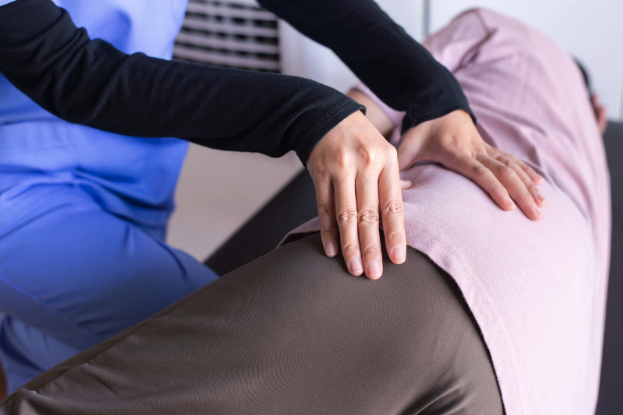
Hip pain can have several causes, and the level of care needed depends on the symptoms. Pain that persists, affects daily activities, or follows an injury may need medical attention. Here is more information on what to know about hip pain and when to seek professional help.
Recognizing Pain Patterns
Hip pain presents in different ways, and the pattern often points toward the cause. Some people feel a sharp pain during specific movements, while others may experience a dull ache that lingers throughout the day. Location matters too; groin pain often relates to the joint itself, while pain along the outer hip or buttock may involve nearby muscles or the spine. Tracking when your discomfort appears gives a clinician helpful information during your assessment.
Exploring Possible Causes
Several conditions can produce hip pain, and identifying the source guides the right response. Some causes develop gradually, while others follow a specific injury. The following are some common contributors, though only a professional evaluation can confirm what applies to you:
- Arthritis: Joint cartilage wears down over time, often leading to stiffness and aching that worsens with activity.
- Injuries: Falls, strains, and fractures may damage muscles, tendons, or bone, producing pain that begins suddenly.
- Spine conditions: Nerve irritation in the lower back can radiate downward, so pain sometimes originates in the spine.
- Soft tissue issues: Inflamed tendons or bursae may cause localized pain, and repetitive movements often trigger it.
- Overuse: Repeated stress from work or exercise strains the hip, which can cause discomfort that builds gradually.
Managing Mild Hip Discomfort
Mild hip pain may respond to measures you can use at home. These approaches aim to reduce strain while your body recovers, though they do not replace professional care when symptoms persist. The following areas cover some common self-care steps.
Rest and Activity Adjustment
Reducing high-impact activity gives irritated tissues time to settle. You can swap running for walking or swimming; these lower-impact options keep you moving without adding stress. Short rest periods help, but complete inactivity can stiffen the joint further, so gentle movement remains helpful. Adjust your daily routine gradually as you feel more comfortable.
Home Measures
Ice or heat can ease discomfort, and people can alternate between the two depending on how it feels. Over-the-counter medication may reduce pain temporarily, but you should follow the label’s recommended guidance. Gentle stretching supports flexibility, and it often complements rest when done carefully.
Knowing When To Seek Help
Professional help becomes the key step when self-care measures fail to provide relief. Contact a clinician if your pain lasts more than a few weeks, worsens over time, or limits your ability to walk, work, or sleep. Certain signs require prompt attention. These include pain after a fall, an inability to bear weight, sudden swelling, or discomfort paired with fever. A structured evaluation generally includes a history review, a physical assessment, and imaging when needed, and it helps identify the source of your hip pain.
Book Your Hip Pain Appointment
Understanding the causes of hip discomfort and seeking timely assessment are key steps in managing discomfort and improving your quality of life. Early evaluation provides clear treatment options and better long-term outcomes, including identifying potential triggers and recognizing signs that require immediate attention. Contact a qualified pain management specialist near you to book your hip pain appointment today.