

Plastic surgery involves decisions and preparation at every stage. Knowing what to discuss with your surgeon and how to prepare for the procedure can help you make informed choices. Here is an overview of the plastic surgery process from consultation to recovery:
Maximize Your Consultation
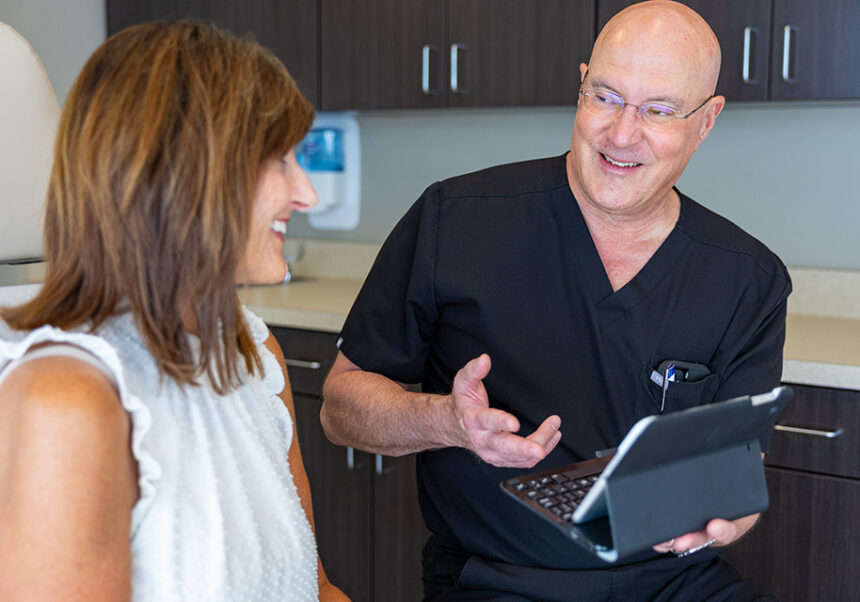
The plastic surgery consultation is your first formal step, and it sets the foundation for everything that follows. During this meeting, a surgeon reviews your medical history, examines the treatment area, and discusses your goals in detail. You can ask questions freely, and this exchange helps both you and your surgeon confirm whether a procedure fits your needs. Here are some key details to bring to your appointment:
- Your medical history: Include past surgeries, current medications, and any allergies so the surgeon can assess your suitability.
- Your goals: Describe the specific results you want so the surgeon can explain realistic outcomes.
- Practical questions: Ask about timelines and recovery so you understand the full commitment.
Prepare for Surgery
Once you schedule plastic surgery, preparation becomes a key focus. Your surgeon may request lab tests, medication adjustments, or lifestyle changes in the weeks before your date. Following these instructions closely helps your body reach a stable condition for the procedure. Preparation also involves practical planning at home. You should arrange transportation, prepare a comfortable recovery space, and stock up on supplies you will need afterward. Communication remains helpful throughout this stage. If your health changes or new questions arise, contact your surgical team promptly.
Understand Surgery Day
Surgery day follows a predictable structure. You arrive at the facility, check in, and meet the surgical team before the procedure begins. Staff confirm your details, review the plan once more, and prepare you for anesthesia.
Plastic surgery varies by type and complexity. A facelift and an eyelid surgery differ greatly from a tummy tuck or hand reconstruction, so timelines depend on your specific plan. Your team monitors you closely during the operation and continues observation as you begin to wake afterward. You will spend time in a recovery area, where staff check your vital signs and manage initial comfort.
Follow Your Recovery Plan
Recovery is where careful attention pays off, and your plan guides you through it. Your surgeon provides detailed instructions covering wound care, activity limits, and follow-up visits. Following these steps supports healing, and it helps your team track your progress. Certain habits can make recovery more manageable during the early weeks. Here are some of them:
- Rest as directed: Give your body time before returning to normal activity.
- Attend follow-ups: These visits let your surgeon monitor healing and address concerns.
- Watch for changes: Report unusual symptoms so your team can respond quickly.
Schedule Your Plastic Surgery Consultation
Proper recovery requires rest, adherence to follow-up appointments, and attention to any unusual symptoms that may arise. These elements play a key role in promoting a smooth healing process and achieving the desired outcome. Staying consistent with your care plan helps you set the foundation for a successful recovery. Contact a qualified plastic surgeon near you to schedule your plastic surgery consultation today.