Fibroids are noncancerous growths that form in the muscle wall of the uterus. They vary in size and number, and fibroid treatment differs from person to person. Some people have heavy periods or pelvic pressure, while others have no symptoms. Although daily habits do not remove fibroids, some changes may ease symptoms.
Food and Hormone Balance
Food choices may affect hormone levels in your body. A balanced diet supports your general health. Fruits, vegetables, and whole grains provide fiber, and fiber may help your body process estrogen. Small swaps at meals are easier to keep up than big changes all at once. Certain foods may also help reduce inflammation. Flaxseeds, walnuts, and fatty fish contain omega-3s, which may support hormone balance. Adding one or two of these foods each week is a manageable step. Reading nutrition labels helps you spot hidden sugars and additives. Small, consistent choices over time can support your medical fibroid treatment.
Movement and Stress Relief
Regular physical activity supports a healthy weight. Walking, swimming, and cycling are low-impact options, so they may suit days with pelvic discomfort. When you start a new routine, begin slowly, and increase activity as your body adjusts. Strength training can also be part of your routine. Light resistance exercises help maintain muscle mass, and they support your metabolism. If you have pelvic pain during a workout, reduce your intensity or switch to a gentler activity. Listening to your body is a part of staying consistent.
On difficult days, a short walk is still helpful. It keeps you moving without added strain. Wearing supportive clothing during exercise may reduce discomfort around your abdomen. If you are unsure which activities are safe, ask your doctor or a physical therapist for advice. They can help you build a routine that fits your symptoms and fitness level, and they adjust recommendations as your needs change.
Treatment Options Worth Exploring
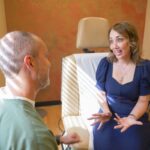
Here is an overview of what to expect, so you can feel prepared for that conversation.
Birth Control and Laparoscopy Options
Your doctor may suggest birth control to manage heavy bleeding. Birth control does not shrink fibroids, but it can reduce bleeding and pain for some people. Pills, patches, and hormonal IUDs are common forms, and your doctor can help you find the option that fits your needs. A hormonal IUD releases progestin locally, and this helps reduce heavy bleeding without affecting the rest of your body the way a pill does. Some people notice lighter periods within a few months, while others take longer to see changes. Ask about alternatives, so you can make the best choice.
Hysterectomy and Appointment Preparation
A hysterectomy removes the uterus; it may also involve removing the cervix or ovaries. It is a permanent option and ends the ability to become pregnant. Doctors often discuss it when fibroids are large, numerous, or cause symptoms that other treatments have not relieved. A partial hysterectomy removes the uterus but leaves the cervix, while a total hysterectomy removes both. If the ovaries are removed during the procedure, your body will enter menopause.
Steps Toward Fibroid Treatment
Managing fibroids often involves several small steps. Track your symptoms in a journal or app, and note changes in bleeding, pain, or energy. Record the dates of your periods and how many pads or tampons you use. When you meet with your doctor, share your notes. Schedule an appointment to build a plan that fits your needs.