

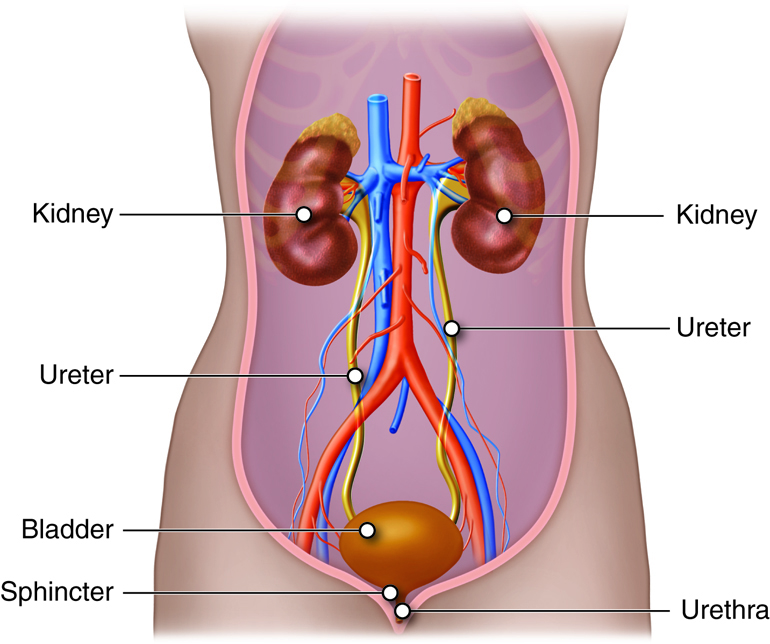
Kidney stones develop when minerals and other substances crystallize within concentrated urine and form hard deposits inside the kidneys. Kidney stones specialists evaluate factors such as dehydration, dietary habits, family history, and certain medical conditions. Treatment may include increased fluid intake, medications, shockwave lithotripsy, ureteroscopy, or other procedures based on stone size and location. Here is more information about causes and prevention of kidney stones:
Understanding How Stones Form
Kidney stones are hard deposits that develop when minerals and other substances crystallize within concentrated urine. Low fluid intake may increase urine concentration and contribute to the development of certain kidney stones. Stones vary in size and are able to remain within the kidneys or move through other parts of the urinary tract. Their location, size, and movement can influence symptoms and available treatment options.
Recognizing Kidney Stone Symptoms
Sometimes kidney stones produce few symptoms until they move from the kidney into the urinary tract. Pain is able to develop in the back or side and travel toward the lower abdomen or groin. Other symptoms may include:
- Painful urination
- Discolored urine
- Frequent urination
- Cloudy urine
- Nausea or vomiting
- Fever or chills
Pain may change in location or intensity as a kidney stone moves through the urinary tract. Fever or chills sometimes indicate an infection when they occur alongside other kidney stone symptoms. Medical evaluation can identify the stone’s location and determine whether infection or another complication is present.
Exploring Nonsurgical Treatment Options
Some smaller kidney stones may pass through the urinary tract without a surgical procedure. Increased fluid intake supports urine flow and helps certain stones move through the urinary system. Providers are able to prescribe medications that relax the ureter or manage discomfort during the passing process. Treatment depends on stone size, location, symptoms, and whether complications such as urinary blockage or infection are present.
Consulting Kidney Stones Specialists
kidney stones specialists evaluate stones that become lodged, block urine flow, cause persistent symptoms, or require procedural treatment. Imaging helps determine stone size, location, and other characteristics that influence the treatment approach. Available procedures are able to include:
- Using shockwave lithotripsy to break certain stones into smaller fragments that can pass through the urinary tract
- Performing ureteroscopy to access stones through the urinary tract using a small scope and specialized instruments
- Applying laser lithotripsy to break stones into smaller pieces during a ureteroscopy procedure
- Performing percutaneous nephrolithotomy through a small opening in the back to remove larger kidney stones directly
Procedure selection depends on stone size, location, symptoms, urinary blockage, and other individual health factors. Recovery also varies according to the treatment performed and the complexity of the kidney stone. Follow-up care may include imaging or other testing to evaluate the urinary tract after treatment.
Preventing Future Kidney Stones
Adequate hydration helps dilute urine and may reduce the concentration of substances associated with kidney stone formation. Drinking fluids regularly throughout the day supports urine production and helps minerals move through the urinary tract. Individual fluid needs often vary based on health, activity levels, climate, and previous kidney stone history.
Dietary changes may also form part of a kidney stone prevention plan based on the type of stone. Providers are able to recommend adjustments involving sodium, animal protein, calcium, or other dietary factors after evaluating individual needs. Follow-up testing can provide information about stone composition and urinary factors associated with recurring kidney stones.
Schedule With A Urologist Today
Kidney stones vary in size, location, symptoms, and effects on the urinary tract. Treatment options range from increased fluid intake and medications to minimally invasive procedures for stones requiring additional intervention. A urologist can evaluate symptoms, imaging findings, stone characteristics, and medical history when discussing treatment or prevention strategies. Schedule a urology appointment today to discuss kidney stone symptoms and available treatment options.