Changes to facial features can result from aging, sun exposure, injury, genetics, or structural differences present from birth, and these changes may affect both appearance and function. Facial plastic surgery addresses these concerns through a range of surgical and non-surgical treatments. Some people seek care for cosmetic reasons, while others pursue treatment for breathing difficulties or injuries. A basic understanding of the available options can help you approach a discussion with a facial plastic surgeon with greater clarity and realistic expectations.
What Is Facial Plastic Surgery?
Facial plastic surgery is a specialized field focused on the structures of the face or head. Surgeons perform procedures that reshape or rejuvenate features, such as the nose, eyelids, brows, ears, and underlying tissues. The specialty generally serves two purposes: aesthetic and reconstructive. Aesthetic procedures aim to change the appearance of a feature according to a patient’s goals, and reconstructive procedures address irregularities caused by trauma, prior surgery, or congenital conditions. Treatments may involve elements of both. A procedure on the nose is able to adjust its outward shape, and it can also address internal structures involved in airflow.
What Are the Types?
Facial plastic surgery includes a broad selection of procedures. Surgical and non-surgical procedures follow different processes, but both begin with an evaluation of the patient’s anatomy and goals. Common options vary, including:
- Rhinoplasty: Surgical reshaping of the nose, and this procedure may involve changes to bone, cartilage, or both to modify the size, profile, or proportions of the nose.
- Facelift: A surgical procedure that addresses loose skin and underlying tissue in the lower face and neck.
- Brow Lift: A procedure that raises the position of the eyebrows and addresses creases across the forehead.
- Blepharoplasty: Eyelid surgery that removes or repositions excess skin or fat on the upper or lower eyelids.
- Liposuction: The removal of localized fat deposits, and this can involve the area beneath the chin or along the jawline.
- Otoplasty: Surgery that changes the shape, size, or position of the ears.
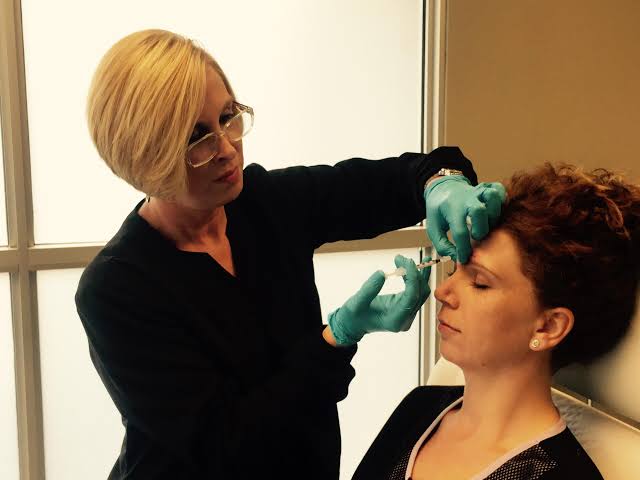
Plastic surgeons may also use non-surgical methods. This can include neuromodulators and dermal fillers, used to address wrinkles or changes in facial volume. Treatments that use concentrated light energy may address skin concerns such as uneven texture, pigmentation, and fine lines.
How Do They Work?
Surgical procedures typically involve local or general anesthesia, depending on the scope of the treatment. The facial plastic surgeon makes incisions, often within natural creases or in less visible areas such as the hairline or inside the nostrils. Through these incisions, the surgeon removes, repositions, or reshapes skin, fat, muscle, cartilage, or bone. The incisions are then closed with sutures. Swelling and bruising are common after surgery, and recovery periods vary based on the procedure and the individual.
Non-surgical procedures work without incisions. Dermal fillers are gel-based substances injected beneath the skin to add volume or modify contours. Neuromodulators temporarily relax targeted muscles that contribute to certain expression lines. Laser treatments deliver controlled energy to specific layers of the skin, prompting the body’s natural renewal processes. Non-surgical results are generally temporary, so patients may need repeat sessions to maintain them.
Consult a Facial Plastic Surgeon
An initial appointment typically includes a review of your medical history and current medications, an examination of facial features, and a discussion of your goals. Surgeons may also advise patients to pause certain medications, as well as supplements or tobacco use, before a procedure. A facial plastic surgeon is able to explain which options align with your anatomy and goals, and they can outline what to expect throughout the treatment process.