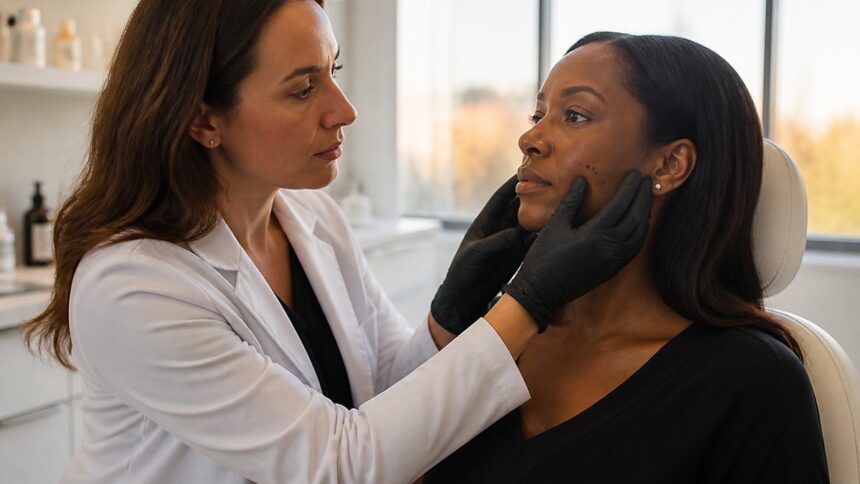
Warts are skin growths that vary in appearance, location, and persistence. A dermatologist can assess a suspected wart and distinguish it from other skin conditions. They can also recommend appropriate treatment options. Here is more information on what to know about warts and how a dermatologist can help manage them:
Which Warts Are Common?
Warts differ based on where they grow and how they look. Common warts usually develop on the fingers and backs of the hands, and they often have a rough, raised surface. Plantar warts form on the soles of the feet, where pressure from walking pushes them inward. These warts feel like a pebble in your shoe, and they sometimes show tiny black dots, which are clotted blood vessels.
Other types include flat warts and genital warts. Flat warts are smooth and small, and they often appear in clusters on the face or legs. Genital warts develop in the genital or anal area after skin-to-skin sexual contact with a person who carries certain HPV strains. These warts require medical evaluation, and a dermatologist or other health care provider can confirm the diagnosis before recommending a treatment plan.
How Do Warts Spread?
HPV spreads from person to person through direct skin contact or shared surfaces. The virus enters the skin through small cuts or scrapes, and it thrives in warm and moist settings. People who walk barefoot in locker rooms or pool areas are at higher risk of the virus that causes plantar warts. Warts can also spread to other parts of your body, often when you pick, scratch, or shave over an area with a wart. A few habits can reduce the risk of spread. Wear sandals in public showers, keep your feet clean and dry, and avoid sharing towels, razors, or nail clippers that touch affected skin.
When Does One Need an Evaluation?
People often try over-the-counter products before contacting a dermatologist for professional care. These products work for some warts, but they do not suit every case. A dermatologist can provide a clear diagnosis. Contemplate scheduling a visit if you notice any of the following signs:
- Persistent warts: Growths that remain after several weeks of home treatment.
- Recurring warts: Warts that return to the same spot after removal.
- Pain or discomfort: Plantar warts that make walking or standing uncomfortable.
- Changes in appearance: Warts that bleed, change color, or grow quickly.
- Genital location: Any growths in the genital or anal area.
- Health conditions: Diabetes or a weakened immune system, which make self-treatment less suitable.
What Does Treatment Involve?
Treatment depends on the wart type, size, location, and number. A dermatologist reviews your history, examines the growth, and then discusses available options with you. Some warts respond after one session, while others require several visits. The process often involves an in-office procedure followed by home care, and your dermatologist explains each step.
In-Office Treatment Options
Dermatologists use several methods to remove warts. Cryotherapy freezes the wart with liquid nitrogen, and the treated skin often blisters and peels over the following days. Other options include prescription-strength acids, laser treatment, or minor surgical removal when other methods do not work. Your dermatologist selects a method based on the wart’s location.
Follow-Up Care and Prevention
Follow-up visits help track progress. Your dermatologist checks the treated area, and you report any changes between visits. Keep the area clean and covered until it heals, as this step can limit spread. Warts sometimes return after treatment, so contact your dermatologist if new growths appear.
Consult a Local Dermatologist Today
Warts are common skin growths that vary by type and location. They spread through direct contact and shared surfaces; some types persist despite home care. A dermatologist can identify the wart type and recommend a suitable treatment plan. Contact a qualified dermatologist in your locality to schedule your consultation today.